

October 16, 2026
Cotton vs Microfibre Change Robe: Which Is Better?
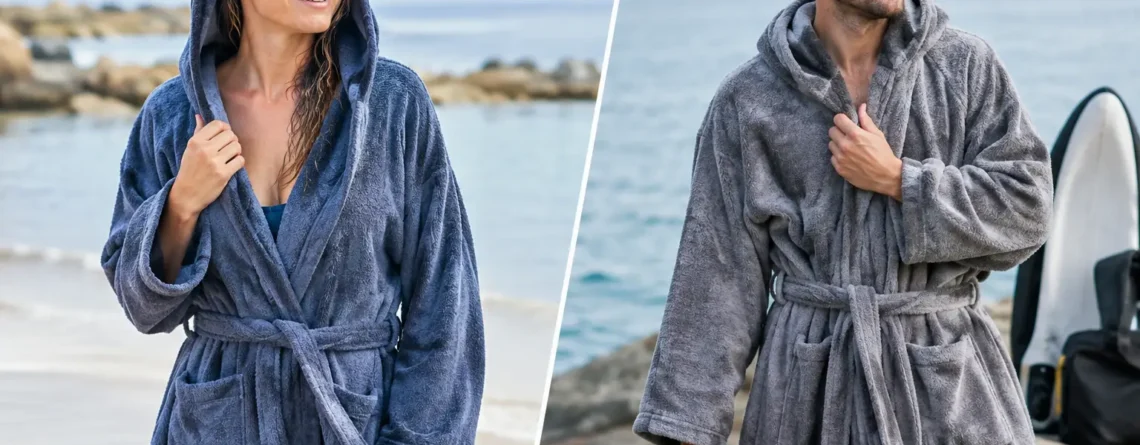
The question of cotton vs microfibre change robe: which is better? usually comes up when you are shivering beside the pool, trying to get changed without flashing the entire car park, or packing for an early open-water swim. Both do the basic job. The better choice comes down to where you swim, how cold you get and whether your gear bag is already carrying half your life.
A change robe is not compulsory for every swimmer. If you train at an indoor pool, have a warm change room and head straight home afterwards, a towel and dry clothes may be all you need. But for outdoor pools, beaches, surf clubs, race mornings and kids’ squads, it can quickly become one of those bits of gear you use far more than expected.
Cotton vs microfibre change robe: the quick answer
Choose cotton if your priority is warmth, comfort and getting dry after a swim. It feels familiar, absorbs water well and is generally the nicer option when you are standing around damp for a while.
Choose microfibre if you need a lighter robe that dries quickly, takes up less room and works well for travel or a packed swim bag. It is particularly handy when you train several times a week and do not want yesterday’s wet robe still feeling like a cold flannel.
Neither fabric wins every situation. Cotton is usually more comfortable straight after the water; microfibre is easier to carry and manage between sessions.
What matters when choosing a change robe?
Forget the dramatic product claims for a minute. A useful change robe needs to do three things: give you enough privacy to change, help you deal with wet skin and swimmers, and keep the wind off while you sort yourself out. Everything else is a trade-off.
For a regular lap swimmer, the main question may be whether the robe is bulky enough to be annoying in a locker. For an open-water swimmer, warmth and wind protection matter more. A triathlete may want something that is easy to throw into the boot after transition practice, rather than another large item to squeeze into race-day luggage.
Warmth and comfort
Cotton has a clear advantage here. A cotton towelling robe feels soft against cold skin, absorbs water readily and provides that familiar post-swim warmth. It is a good pick for outdoor squad sessions in Melbourne’s cooler months, beach swimming before work, or long mornings at a junior carnival when you are not exactly racing but somehow still end up wet.
The catch is that cotton holds onto water. Once it is wet, it becomes heavier and can feel cool if you stay in it for too long. A thick cotton robe is lovely after a swim, but not much fun to cart around all day in a damp gear bag.
Microfibre tends to feel lighter and smoother rather than plush. It can still provide coverage and take the chill off, but a thin microfibre robe will not give the same cosy feeling as thick cotton towelling on a windy morning. If warmth is the reason you want a robe, check whether it is actually designed with enough fabric and coverage for the conditions you face.
Drying yourself and drying the robe
Cotton is highly absorbent, which is why it makes such a good towel. You can put it on straight after swimming, get changed underneath, and it will soak up a decent amount of water from your body. For swimmers who dislike the feeling of pulling clothes over damp skin, that is a real benefit.
Microfibre can absorb water too, although the feel is different and some versions are better at it than others. Its biggest strength is drying faster after use. Hang it up at home, in the laundry or over the back seat on the way home and it will generally be ready again sooner than a heavy cotton option.
That matters if you swim on consecutive days. A wet cotton robe left crumpled in a bag can develop the unmistakable scent of forgotten pool gear. Nobody needs that extra challenge before a 6 am session.
Weight, bulk and travel
Microfibre is the practical choice when space matters. It folds smaller, weighs less when dry and does not become as heavy when wet. If you ride to the pool, take public transport, fly to an event, or already carry fins, paddles, a pull buoy, goggles, snacks and a questionable collection of spare swim caps, smaller is useful.
Cotton robes are bulkier. This is not a flaw, just the price of having more material and a more towel-like feel. If you drive to training and can hang the robe up when you get home, the bulk may not bother you at all. If every item has to fit into a backpack, it probably will.
Which robe suits your swimming?
For pool swimmers, start with the conditions rather than the fabric label. Indoor pool, short walk to the change room and regular access to a dryer at home? A microfibre robe is often enough and is easier to keep in rotation. Outdoor pool, early starts or lots of time waiting for family members? Cotton may be worth the extra space.
For open-water swimmers, cotton is often the more comfortable choice immediately after getting out of cold water. You may be wet, sandy, tired and dealing with a breeze that has appeared precisely when you need to change. A roomy cotton robe makes that process easier. If you travel light to the beach or walk a distance from the car, however, microfibre has a strong case.
For triathletes, think about when you will use it most. A robe is useful during open-water familiarisation swims, transition practice and waiting around before or after smaller local events. Microfibre is easier to pack, while cotton is more appealing for cold recovery moments after a swim. You do not need a robe for every triathlon. If race-day changing facilities are straightforward and you are travelling light, a large towel can do the job.
For parents buying for young swimmers, durability and laundry habits usually settle the debate. Cotton feels comfortable and works well for chilly pool decks, but it takes longer to dry and adds weight to an already overloaded swim bag. Microfibre is easier to pack and wash regularly. Choose a generous size either way, because kids have a remarkable ability to grow just after you buy something that fits perfectly.
Fit is more useful than fancy features
A change robe should be roomy enough to change underneath without performing a balancing act. Look for a length that gives you the coverage you want when sitting, standing or bending to retrieve the goggles that have rolled under the car.
Sleeves should let you get your arms in and out easily. A bonnet is handy after an outdoor swim, especially if you have wet hair and no interest in spending the next hour feeling cold. Pockets are useful for holding a locker key, phone or snack, but they are not the reason to choose one robe over another.
Do not assume more thickness is automatically better. A very heavy robe can be great at the beach but awkward for daily pool sessions. Likewise, the lightest microfibre option may pack beautifully but offer very little warmth. Match the robe to your normal use, not the one heroic winter swim you might do once.
Care makes a bigger difference than most people expect
Rinse a robe after chlorinated or salt-water use, particularly if you wear it while still very wet. Wash it according to the care instructions and make sure it dries properly before storing it. This matters for cotton, which can stay damp deep in the fabric, but it also applies to microfibre.
Avoid leaving any robe sealed in a wet bag for days. That is less a fabric issue and more a universal law of swim gear. If you cannot wash it immediately, at least hang it over a chair, washing line or shower rail to air out.
So, should you buy cotton or microfibre?
Buy cotton if you want the most comfortable post-swim cover-up and regularly face cold, windy or outdoor conditions. Buy microfibre if you value low bulk, quick drying and a robe that is easy to pack for frequent sessions. At a sensible price, either can be a worthwhile piece of swim kit – but only if it solves a problem you actually have.
Think about your next four weeks of training, not an imaginary expedition across the Antarctic. If you will mostly be changing beside an outdoor pool at dawn, choose warmth. If you need something that lives in a crowded swim bag and is ready again tomorrow, choose microfibre. The right robe is the one that gets you dry, decent and on your way to breakfast without turning wet gear into another chore.