

October 21, 2026
Swimming Fins for Beginners: What to Look For
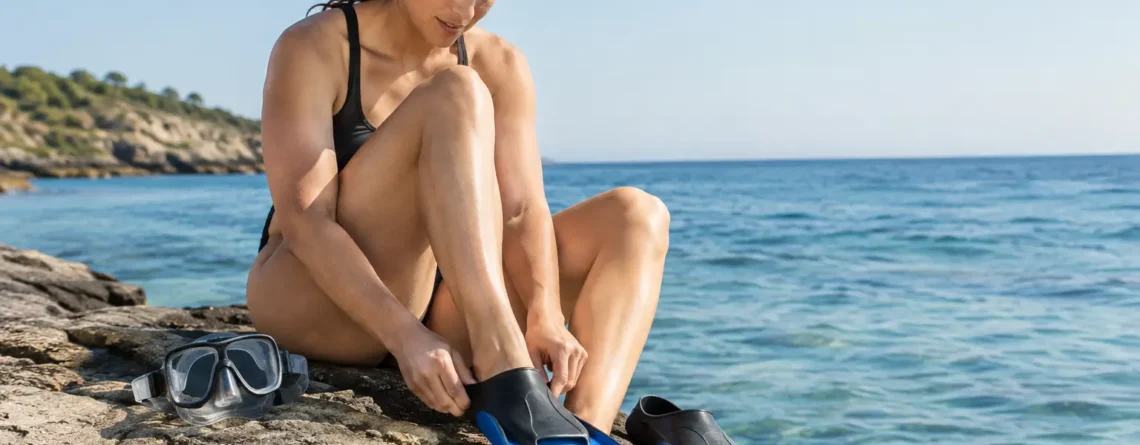
A pair of fins can make a kick set less like treading concrete and more like actual swimming. But swimming fins for beginners: what to look for is less about finding the biggest blade in the shop and more about choosing something you will wear comfortably for more than two laps. The right pair can help you practise body position, ankle movement and a steadier kick. The wrong pair tends to sit damp and forgotten at the bottom of the swim bag.
Swimming fins for beginners: what to look for first
Start with how and where you swim. If you are doing lap sessions, lessons, technique drills or the occasional squad workout, short training fins are usually the sensible place to begin. They are easier to manage in a shared lane, less awkward when turning at the wall and generally better suited to regular pool use than long snorkelling-style fins.
Long fins have their place, particularly for relaxed snorkelling or gentle recreational swimming. In a busy pool, though, they can feel cumbersome and are more likely to clip a lane rope or surprise the person swimming just ahead of you. Bigger is not automatically better. It simply changes the feel of the kick.
For most new swimmers, look for a short or medium-length blade, a comfortable closed heel and a level of stiffness that feels manageable. You do not need a specialist racing fin, and you definitely do not need to pay extra just because a logo is large enough to be seen from the other end of the pool.
Fit matters more than fancy features
Fins should fit snugly around your foot without crushing your toes, pinching your instep or rubbing your heel. Water will not magically fix a bad fit. If anything, a small rub can become very obvious halfway through an early-morning session when you have another 800 metres on the board.
A closed-heel fin is the common choice for pool training. The foot pocket holds the fin securely and gives a direct feel through each kick. An open-heel fin with an adjustable strap is more common for snorkelling and diving, often worn with booties. It can be useful in the right setting, but it is usually more gear than a beginner lap swimmer needs.
Sizing varies between brands and models, so use the size guide for the fin you are considering rather than assuming your usual shoe size will be perfect. If you sit between sizes, the answer depends on the foot pocket. A soft, roomy pocket may suit the smaller option, while a firmer or narrower model may be more comfortable in the larger size. Avoid buying fins that are loose in the hope they will be more comfortable. A fin that slips at the heel can rub and makes kicking feel clumsy.
When trying them on at home, check that your toes are not jammed against the front and that the heel stays in place as you point and flex your foot. Wear them for a few minutes, not just long enough to admire yourself in the hallway. If they feel tight while dry, they are unlikely to improve after a few pool sessions.
Soft versus stiff blades
Blade stiffness affects how much resistance you feel through the water. Softer fins are generally friendlier for beginners because they let you develop a relaxed, continuous kick without feeling as if you are trying to move a paving slab. They can also be a good option if you are returning to swimming after a long break and want to add fins gradually.
Stiffer fins create more resistance and can make a kick set feel more demanding. Some regular squad swimmers prefer that firmer feel, but it is not automatically the right choice for a new swimmer. If your ankles feel restricted or your kick turns into bent-knee bicycle pedalling, a stiffer blade may be more frustrating than useful.
That said, very soft is not always best either. A blade that folds too easily may feel vague and give you little feedback. The practical middle ground is a fin that bends as you kick but still feels stable in the water. Think controlled movement, not wrestling match.
Choose blade length for the pool you actually use
Short-blade fins are a strong all-round choice for lap swimming. They encourage a relatively natural kick rhythm and are convenient for freestyle, backstroke and many technique drills. They are also easier to pack, which matters when your swim bag already contains wet goggles, a towel and the mysterious puddle nobody wants to investigate.
Medium-blade fins can suit swimmers who want a little more propulsion and resistance while still using them for pool sessions. They may feel more noticeable at first, but many recreational swimmers adapt quickly.
Long-blade fins move more water with each kick. That can be enjoyable for snorkelling, but in a standard pool session they often slow down your kick rhythm and make quick turns awkward. If your main goal is swimming laps two or three times a week, skip the long blades unless you know you enjoy them.
Full-foot or adjustable fins?
For pool training, full-foot fins are generally the simpler option. You put them on, get in and swim. They are compact, secure and designed to be worn barefoot.
Adjustable-strap fins are worth considering if you need to wear booties for open-water snorkelling or you want flexibility across different conditions. For most beginner swimmers, though, the extra adjustment is unnecessary. Buy for the job you are actually doing, not for an imaginary expedition that may never get past the group chat.
Comfort details that are worth checking
A good foot pocket should have smooth edges and enough flexibility to sit comfortably around the toes and heel. Softer materials can feel kinder on bare feet, especially while you are getting used to longer kick sets. Drainage holes are also handy, as they let water move through rather than leaving the fin feeling like a tiny bucket attached to your foot.
Look at the side rails along the blade too. These help guide water during the kick and keep the blade from feeling overly floppy. You do not need to memorise every design feature on the packaging, but a blade with a defined shape usually feels more controlled than a flat, flimsy one.
Colour is mostly personal preference. Bright fins can be easier to spot in a crowded pool or in a pile of squad gear, but they will not fix your kick. Choose a colour you like, then put your attention back on fit and blade style.
How to use fins without overdoing them
Fins are a training tool, not a requirement for every lap. If you are learning freestyle, they can make it easier to hold a better body position while you focus on breathing, rotation or a relaxed arm recovery. They are also useful for kick drills and for building confidence moving through the water.
Start with short blocks. For example, use fins for a few 25- or 50-metre drills, then take them off and swim normally. This gives you a chance to feel what carries over to your regular stroke. If you only ever swim with fins, your non-fin swimming can feel oddly slow and heavy when you leave them in the bag.
Keep your kick small and driven from the hip, with relaxed ankles. Big splashing kicks usually waste energy and can send water directly into the face of whoever has unfortunately chosen the next lane. If you are in a coached session, follow the set your coach gives you. If you are swimming on your own, use fins for specific practice rather than making every session a fin session.
What a beginner can skip
You do not need multiple pairs of fins for different strokes when you are starting out. One well-fitting pair of short training fins will cover a lot: kick sets, body-position drills, warm-ups and the occasional session where you want a bit of variety.
You can also skip the most specialised models until you know what you prefer. Swimmers who train regularly may eventually choose a second, firmer pair for certain sets, but there is no rush. Spend on the basics first: comfortable goggles that do not leak, a cap if you use one, and fins that fit properly.
If you are buying online, read the sizing information carefully and check the retailer’s return policy before removing tags or taking the fins to the pool. Locally held stock and a straightforward money-back process can save a fair bit of hassle when sizing does not go to plan.
The best first pair is not the most expensive one or the most aggressive-looking. It is the pair that fits your feet, suits your pool sessions and gets used often enough to earn its place in your bag.