

June 19, 2026
Sprint Triathlon Gear Checklist That Works
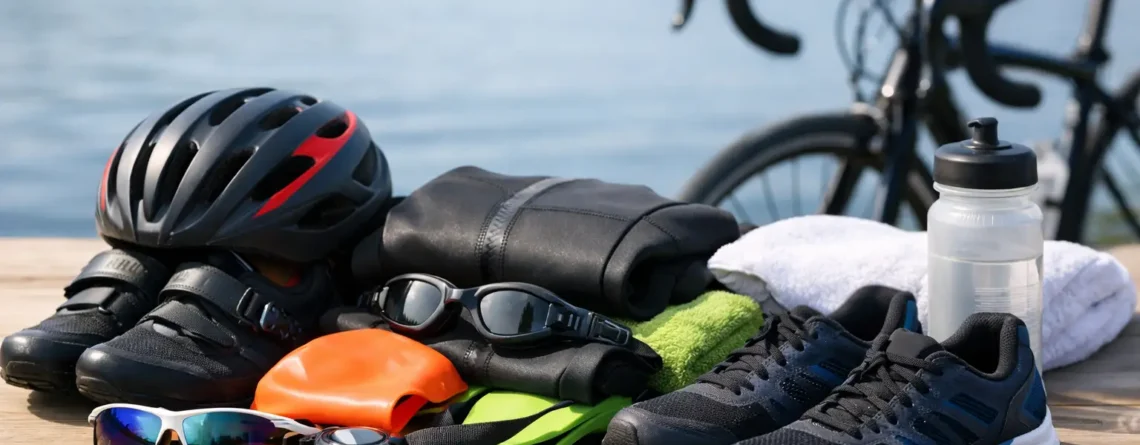
Race morning gets messy fast when you are hunting for goggles, wondering where your race belt went, and trying to remember if your helmet was left in the car. A solid sprint triathlon gear checklist cuts through the noise. You pack once, race calm, and give your energy to the swim, ride and run instead of last-minute panic.
A sprint triathlon is short compared with longer formats, but that does not mean you can wing it. The distances are manageable, yet small gear mistakes still cost time and confidence. Forget your goggles and the swim becomes a fight. Miss your laces or hat and the run can unravel. The smart play is simple – bring what you need, skip what you do not, and choose gear that helps you move well without blowing the budget.
Your sprint triathlon gear checklist starts with the essentials
There is a difference between must-have gear and nice-to-have gear. For a sprint event, you do not need a mountain of equipment. You need the basics that are race-legal, comfortable and easy to use under pressure.
Start with your tri suit or the clothing you will wear from start to finish. A tri suit keeps things simple because it works across all three legs and dries faster than standard gym gear. If you are not using one, swimmers can race in bathers and add a top or shorts for the bike and run, but that means more transition time. For many beginners, less changing means less stress.
You will also need swim goggles that you trust, a bike in safe working order, a compliant helmet, running shoes and your race bib setup if the event requires it. Add a towel for transition, drink bottles, and nutrition if you use it. Those are the core pieces. Most other items support comfort, speed or convenience.
Swim gear: keep it simple and reliable
The swim leg is where nerves often kick in. Good gear does not make the distance shorter, but it can make the start feel far more controlled.
Goggles are non-negotiable. Bring the pair you have trained in, not a fresh set from the packet. If you have room in your bag, a spare pair is worth it. Lenses matter too. Clear or lightly tinted goggles suit dull mornings, while darker lenses help in bright conditions. If the race is in open water, test your goggles beforehand so you know they seal properly when you sight and breathe under pressure.
A swim cap may be provided by the race organiser, but check the event information. If wetsuits are allowed and the water temperature suits one, a wetsuit can add buoyancy and warmth. For sprint races in milder conditions, some athletes skip it for simplicity. That is the trade-off – a wetsuit may help your swim, but it can slow transition if you are not practised at getting it off quickly.
Anti-chafe balm around the neck, underarms and anywhere your suit rubs can save you from an annoying day. It is a small addition that often earns its place.
Swim extras worth considering
A pair of thongs or slides for the walk to the start can be handy, especially on rough ground. A towel or parka is useful before and after the race, though it stays out of the way during the event itself. These are comfort items, not race-makers, but comfort counts when the morning is cold and you are standing around waiting.
Bike gear: safety first, speed second
The bike leg tends to involve the most gear, but it does not need to be fancy. For a sprint triathlon, a road bike, hybrid or entry-level tri bike can all do the job if they are safe and fit you properly.
Your helmet is mandatory. No debate. Make sure it meets race requirements, fits snugly and the straps are adjusted before race day. Turning up with a loose or damaged helmet is a completely avoidable problem.
Your bike should be checked the week before, not the night before. Inflate the tyres properly, inspect the brakes, make sure the chain is clean enough to run smoothly, and confirm the gears are shifting well. If you have not ridden your bike in a while, give it a proper test spin. A five-minute roll around the block is not the same as knowing it will hold up over race distance.
Cycling shoes can help if you already use clip-in pedals, but they are not essential for a sprint. Many beginners prefer regular runners on flat pedals because they simplify transition and reduce stress. That is one of the biggest sprint-race truths – fast is not always the same as complicated.
Sunglasses can protect your eyes from glare, wind and road grit. A drink bottle on the bike is usually enough for a sprint event, especially in cooler weather, though some athletes still like a small second bottle if the forecast is warm. In Australia, heat changes the equation quickly, so check the conditions and plan fluids accordingly.
What to keep in transition for the bike leg
Lay your gear out in the order you will use it. Helmet first, because it goes on before you touch the bike. Then sunglasses if you wear them, then shoes if you are changing into cycling shoes, and then your race belt if required. Keep it neat. Transition is not the place for clutter.
A small towel under your gear helps mark your spot and gives you somewhere to stand while you organise yourself. That is usually enough. Beginners often overpack transition with bags, spare clothes and extras they will never touch.
Run gear: comfort wins late
The run is where sprint triathlons often get real. Legs are heavy, breathing is up, and anything uncomfortable on your feet becomes very obvious.
Running shoes should be familiar and race-ready. This is not the day to test a different model because it was on sale. Wear socks if you normally run in them. If you go sockless, train that way first. Small hotspots become blisters quickly once your feet are wet from the swim and bike.
A hat or visor can help with sun and heat, and lightweight sunglasses are still useful here if the course is exposed. Elastic laces are popular because they save time, but normal laces are fine if that is what you know. The bigger goal is to get out of transition smoothly and settle into your pace.
For most sprint events, heavy fuelling is unnecessary, but that depends on your pace, the weather and how your stomach handles effort. Some athletes race well with just breakfast and fluids. Others like a gel before the run. Stick with what you have practised.
The sprint triathlon gear checklist for race-day admin
The fastest setup in the world will not help if you forget the admin side. Pack your race confirmation, ID if needed, any membership details, and know your start time and bump-in window. Charge your watch the night before if you use one. Bring your mobile for before and after the event, but keep race focus on the essentials.
Sunscreen matters, especially for Australian conditions. Apply it early enough that it has time to settle. A small bottle in your bag is useful for before the start and after the finish.
It is also smart to bring a change of clothes, a water bottle for after the race and a snack for recovery. These are not part of your performance kit, but they make the whole day easier. If you are driving home salty, sweaty and starving, you will wish you packed them.
What beginners often overpack
A common mistake is treating a sprint triathlon like an expedition. You do not need three pairs of shoes, multiple outfits, a giant toolbox or enough nutrition for an Ironman. More gear usually means more decisions, more clutter and more chances to forget something important.
Aim for dependable over fancy. If a product saves time, improves comfort or solves a real problem, it earns a place. If it looks fast but adds complexity you have not practised, leave it out. That approach is good for racing and good for the wallet.
For value-conscious athletes, affordable performance gear is often the sweet spot. You do not need premium everything to have a strong race. You need gear that fits, functions and shows up when it counts. That is the kind of setup that helps everyday athletes train consistently, race confidently and keep chasing progress.
Pack the night before, not the morning of
A checklist only works if you use it early enough. Pack the night before. Lay everything out. Tick it off. Then do one last scan of your bike, your helmet and your shoes. If you are buying any replacement essentials, give yourself enough time to test them before race day.
There is a reason experienced athletes keep things simple. Less fuss. More focus. If you want a practical place to start, 4Sports has the kind of swim and training essentials that make sprint prep easier without pushing you into overspend.
Race day should feel sharp, not frantic. Get your gear sorted, trust your preparation, and give yourself the best chance to enjoy the hit-out from the first stroke to the final stride.