

June 23, 2026
Triathlon Transition Bag Essentials
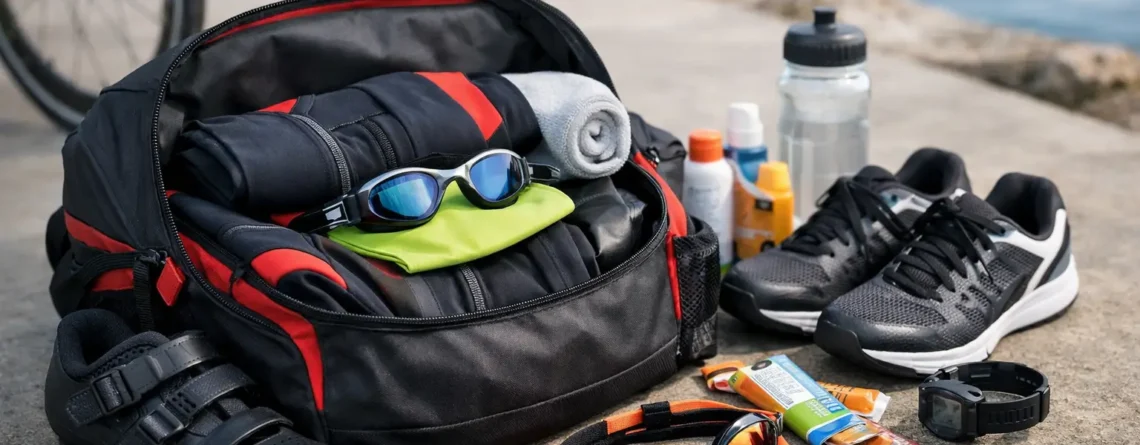
You do not want to be the athlete on race morning tipping half a bag onto the grass looking for a race belt. A good triathlon setup starts before the swim, and the right triathlon transition bag essentials can save time, stress and silly mistakes when the clock is moving.
For most athletes, the goal is simple. Arrive calm, set up fast and know exactly where everything is. That matters whether you are lining up for your first sprint triathlon or trying to shave minutes off a personal best. A transition bag is not just a place to throw gear. It is your mobile race station.
Why triathlon transition bag essentials matter
Triathlon is a gear-heavy sport. You are not packing for one activity. You are managing three disciplines, changing conditions and a race environment where space can be tight and nerves can be high. A proper bag helps you separate gear, protect wet items and avoid the classic problem of forgetting one small thing that causes a big headache.
The smartest setup is not always the biggest bag. Bigger can mean more pockets, but it can also mean more clutter and more chances to lose track of what matters. If you are a beginner, compact and organised usually beats oversized and chaotic.
There is also a practical trade-off between training and race day. For training, you might want room for extra clothes, recovery gear and snacks. For race day, you want quick access and a layout that makes sense under pressure. The best bag does both reasonably well, but your packing system matters as much as the bag itself.
The core gear every transition bag should carry
Start with the gear that gets you through each leg cleanly. Your swim section should include goggles, a spare pair of goggles, swim cap if required, towel and any wetsuit gear you are using. A spare pair of goggles sounds excessive until a strap snaps five minutes before the start. Then it feels like the best decision you made all week.
For the bike leg, the essentials are your helmet, cycling shoes if you are not riding in tri shoes, sunglasses, nutrition and a bottle or two depending on race distance. If your event allows it and your setup is already dialled in, you may keep some bike nutrition mounted on the bike. Still, carrying backups in the bag is sensible.
For the run, keep your runners, race belt, hat or visor, socks if you use them, and any run nutrition in one clear section. Some athletes race sockless to save time. That can work, but only if you have trained that way. Race morning is not the moment to test your luck.
Then there are the small but non-negotiable extras. Sunscreen, anti-chafe cream, body glide, safety pins, a small roll of tape, hydration tablets, wipes and a plastic bag for wet gear all earn their place. None takes up much room, and each can solve a problem quickly.
How to organise your triathlon transition bag essentials
A well-packed bag should match the order of your race. That sounds obvious, yet plenty of athletes still pack by item type instead of race flow. A better system is to group gear by stage so your swim, bike and run items sit in their own zones.
If your bag has multiple compartments, use them with purpose. Wet gear should stay separate from dry clothing. Shoes should not be jammed in with towels and nutrition. Smaller pockets are ideal for items that disappear easily, like ear plugs, gels, keys or sunscreen.
Packing cubes or zip pouches can help if your bag has one large main compartment. Label them if you want to make life even easier. It is not glamorous, but it works. On race morning, simple beats clever.
One useful habit is to pack your bag the night before and then do a final check using a written list. Memory gets unreliable when race nerves kick in. A checklist keeps you honest.
Choosing the right bag for race day and training
Not every sports bag works well for triathlon. You want enough room for swim, bike and run gear without carrying a giant lump that is awkward in transition. The sweet spot is a bag with structured compartments, comfortable straps and easy-to-clean fabric.
Backpack-style transition bags are popular for good reason. They keep your hands free, sit comfortably when loaded and are easier to carry from the car park to the race precinct. If you are also hauling a bike pump, bottles and nutrition, that matters.
Ventilation is another feature worth having. Wet towels, bathers and a wetsuit can turn a sealed bag into a damp mess pretty quickly. Separate ventilated pockets or water-resistant sections help keep the rest of your gear dry and less smelly.
Durability matters too, but there is no need to overspend. Most everyday triathletes need practical design, not elite-level branding. Look for strong zips, reinforced stitching and compartments that suit the way you train and race. Affordable gear that works hard is always a win.
What beginners often forget
First-time triathletes usually remember the obvious items and miss the little ones. The race belt is a common one. So is a towel for your transition area. Another is a small bottle of water to rinse sandy feet before putting on shoes. Tiny detail, big comfort boost.
Weather can catch people out as well. A cool morning might call for a light layer before the start, while a hot day means sunscreen becomes part of your race kit, not an afterthought. If rain is on the radar, a dry bag or plastic liners inside your transition bag can protect clothing and electronics.
Nutrition is another area where underpacking happens. Even short-course racing can go sideways if you forget a gel or bottle you planned to use. Pack what you know works in training. Do not rely on borrowing from a mate in transition.
A smarter packing routine before race morning
The best packing routine starts two or three days out, not ten minutes before bed. Wash what needs washing, check your goggles, inspect your helmet straps and make sure your shoes, race belt and kit are where they should be. This spreads the load and cuts down last-minute panic.
The night before, lay everything out in order. Swim on one side, bike in the middle, run on the other. Once it is all visible, pack the bag in the same sequence. This simple routine helps you spot missing items quickly.
If you race more than once a season, keep a few transition-only items permanently in the bag. Spare goggles, safety pins, anti-chafe cream and a small towel can live there full-time. That way you are not rebuilding your setup from scratch before every event.
For Australian athletes travelling to local races, one more practical tip helps. Check the venue rules and likely conditions. Grass, gravel, heat and early starts all affect what you pack. The best bag setup is not about carrying more. It is about carrying what suits the day.
Triathlon transition bag essentials for a smoother race
The real value of triathlon transition bag essentials is not just convenience. It is confidence. When every item has a place, you think less about your gear and more about your race. That is where smoother transitions start.
You do not need an overcomplicated system or a mountain of expensive extras. You need dependable gear, a bag that keeps it organised and a routine you can repeat. That is the sweet spot for consistent performance.
If you are building your setup, focus on the basics first. Choose practical gear, pack with intention and keep it simple enough to use under pressure. Race day already asks plenty of you. Your bag should make life easier, not harder.
A calm transition starts long before the start gun. Pack smart, trust your system and give yourself one less thing to worry about when it is time to chase the finish line.