

August 18, 2026
10 Best Post Workout Recovery Tools Worth Using
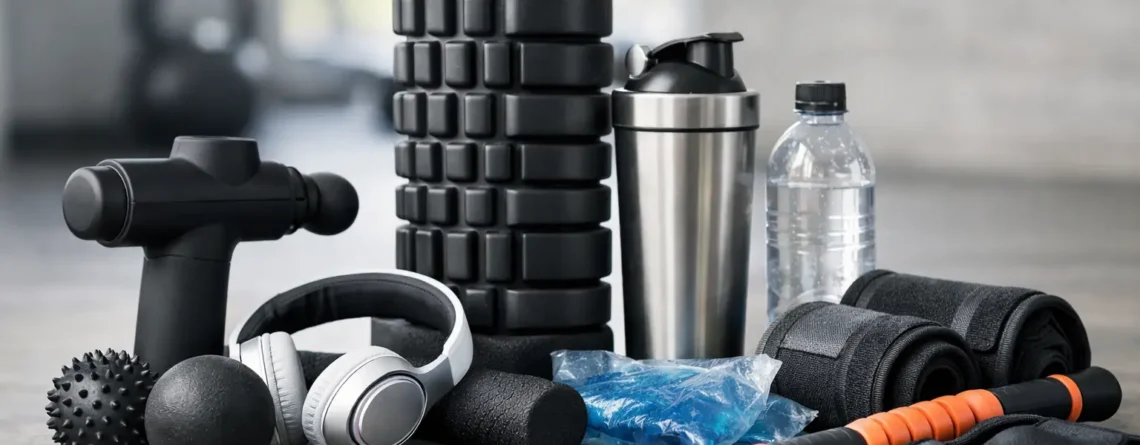
A hard session should leave you feeling worked, not wrecked for the rest of the week. The best post workout recovery tools help you look after tired muscles, restore movement and show up ready for the next swim, run, ride or gym session. They are not magic shortcuts. Used well, though, they can make consistent training feel far more manageable.
Recovery starts with the basics: enough food, fluids, sleep and sensible training load. Tools sit on top of those foundations. Think of them as practical support for the parts of your body that feel tight, heavy or flat after putting in the work.
What makes a recovery tool worth buying?
The right tool is the one you will actually use. A foam roller collecting dust in the corner is less useful than a simple massage ball you can reach for after every run. Before spending big, consider your sport, where you usually train and the areas that regularly need attention.
Runners and cyclists often want help around the calves, quads, glutes and hips. Swimmers may focus more on shoulders, upper back and lats. Gym training can leave almost any area feeling tender, depending on the session. You also need to be honest about your routine. If you train before work or fit sessions around family life, portable, low-fuss gear is usually the smarter choice.
Price matters too. You do not need a premium recovery setup to train well. A few affordable essentials can cover most day-to-day needs, while higher-ticket tools are best saved for athletes who know they will get regular use from them.
Best post workout recovery tools for everyday athletes
1. Foam roller
A foam roller earns its place in almost every training kit. Rolling gently over the quads, hamstrings, calves, glutes and upper back can feel good after repetitive movement and may help you maintain comfortable range of motion. It is particularly handy after long rides, leg day or a build-up of running kilometres.
Choose a roller with a firm but not punishing surface if you are new to self-massage. Deep ridges can feel intense, and more pressure is not automatically better. Roll slowly, keep breathing and spend extra time around a tight area without forcing pain. A couple of minutes per muscle group is plenty for most people.
2. Massage ball
For smaller, harder-to-reach spots, a massage ball is hard to beat. It gives more targeted pressure than a roller and takes almost no space in a gym bag. Use it against a wall for your upper back, chest and shoulders, or on the floor for glutes and feet.
This is a great option for swimmers managing tight shoulders after a big pool session, runners whose feet need some attention, and desk workers who head straight from the chair to training. Keep the pressure controlled. Avoid rolling directly over joints, sharp pain, numbness or a fresh injury.
3. Resistance bands for mobility work
Resistance bands are often thought of as training gear, but they are equally useful when the session is over. Light bands can support simple shoulder mobility, hip activation and gentle stretching without turning recovery into another workout.
After swimming, try easy band pull-aparts and controlled shoulder rotations. After cycling or running, bands can help wake up the glutes and open up the hips before you stiffen up on the drive home. The goal is smooth, easy movement, not chasing a massive stretch.
Bands are affordable, lightweight and useful across several sports, which makes them one of the best-value additions to a recovery kit. They also suit athletes who travel for events or train outdoors.
4. Massage gun
A massage gun can be a useful upgrade for people who train often and enjoy a quick, targeted treatment at home. Different attachments and speed settings let you work across larger muscles such as quads and glutes, then move to more specific areas with care.
The trade-off is cost and convenience. A massage gun is more expensive than a roller or ball, needs charging and can be overused if you attack every sore spot at full power. Start on a low setting, keep the gun moving and limit each area to a short burst. It should feel relieving, not like you are trying to win a battle against your own calf.
If you are choosing between a massage gun and the basics, buy the roller and ball first. They are versatile, easy to control and give you more than enough value while you build a regular recovery habit.
5. Cold pack or ice towel
Cold can feel refreshing after a hot run, tough field session or hard gym workout, especially when one area is a little more irritated than usual. A reusable cold pack is simple to keep in the freezer, while a damp towel chilled in the fridge can be an easy option after training in warm Australian conditions.
Use a barrier between a cold pack and your skin, and keep sessions brief. Cold is best treated as a comfort tool, not a way to ignore a problem and push through it. If swelling, severe pain or reduced function is hanging around, get advice from a qualified health professional rather than relying on home recovery gear.
6. Compression socks and tights
Compression gear is popular with runners, cyclists and triathletes because it is easy to use. Pull on a pair of compression socks after a long session, on the trip home or while putting your feet up, and see how your legs respond. Some athletes love the supported feeling; others notice little difference.
That is the key point: recovery is personal. Compression can be comfortable and practical, but it does not replace sleep, meals or a sensible plan. Choose a fit that feels snug without pins and needles, discomfort or skin irritation. For endurance athletes, it can also be a useful extra layer during cool-weather warm-ups and travel.
7. A quality towel and dry layers
Not every recovery tool vibrates, rolls or compresses. Getting out of wet gear quickly after a swim, surf session or winter training ride is basic but genuinely useful. A quick-drying towel, warm parka or deck coat and clean dry layers help you get comfortable before the chill sets in.
For swimmers and triathletes, this is one of those small details that makes training easier to repeat. Pack it before you leave, rather than shivering beside the pool while your muscles tighten up. Practical gear supports better habits.
8. Drink bottle and recovery snack container
Hydration and food are recovery tools too, even if they are less exciting than a massage gun. A dependable drink bottle makes it easier to replace fluids after sweating, while a small container in your gym bag can stop the post-session scramble for something decent to eat.
After a demanding session, aim for a meal or snack that includes carbohydrates and protein when it suits your schedule. It does not need to be complicated: yoghurt and fruit, eggs on toast, a sandwich, or leftovers can all do the job. If your training is long, hot or especially sweaty, pay closer attention to fluids and electrolytes.
Build a recovery kit that fits your training
For most athletes, a foam roller, massage ball, light resistance band and reliable towel cover a lot of ground without blowing the budget. Add compression gear if you enjoy endurance training, and consider a massage gun only if you know it will become part of your weekly routine.
Keep your gear visible and easy to grab. Put the roller near the couch, leave the band in your training bag and keep the cold pack ready in the freezer. Recovery works best when it is built into normal life, not saved for the rare perfect evening when you have an hour free.
At 4Sports, practical training accessories make it easier to build a kit around the sports you love without paying for features you will never use. Start simple, stay consistent and put your energy into the next session. Your body will tell you which tools earn a permanent spot in the bag.