

October 10, 2026
Why Do My Swimming Goggles Leak? Fix the Fit
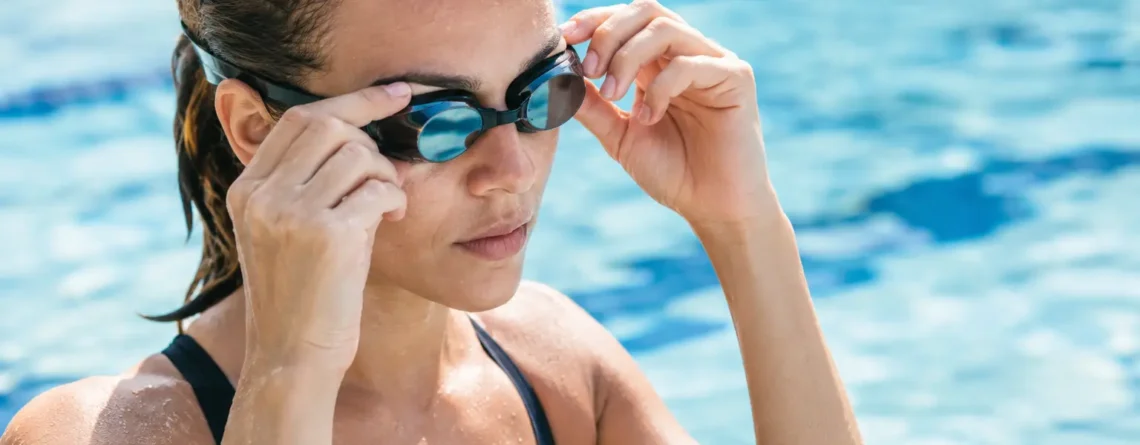
That little stream of pool water creeping into one eye halfway through a set is enough to ruin your rhythm. If you are asking, “why do my swimming goggles leak?”, the answer is usually not that you need the most expensive pair on the shelf. More often, the seal, strap or fit is slightly wrong – and small adjustments make a bigger difference than cranking everything tighter.
Why do my swimming goggles leak?
Goggles work by creating a light seal around the eye socket. The soft gasket sits against your skin and a small amount of suction holds it there while you swim. When water gets in, something is interrupting that seal.
It may be a poor match for your face shape, a strap that is too loose or too tight, hair caught under the gasket, or goggles that have simply done enough early-morning laps and are ready to retire. Sometimes the leak only appears when you push off hard, breathe to one side or start doing tumble turns. That is useful information, because it points to the cause.
Before replacing them, work through the simple checks below. They cost nothing and can save you from buying another pair that leaks for exactly the same reason.
Start with the suction test
Put the goggles over your eyes without pulling the strap over your head. Press them gently into place, then let go. A well-matched pair should stay on your face for a moment using suction alone.
They do not need to stick there like a limpet, and pressing hard is not the point. You are just checking whether the gasket naturally follows the contours around your eyes. If the goggles fall straight off, shift immediately, or leave a visible gap at the bridge of your nose or along the cheekbone, the frame shape may not suit you.
This is why one swimmer can happily use a pair for years while another cannot get through a warm-up without a leak. Faces are different. Narrow, wide, shallow and deep eye sockets all affect how goggles sit. A good seal is more useful than a fancy logo.
Check the nose bridge width
If your goggles have interchangeable nose bridges, try another size. A bridge that is too narrow can pull the eye cups outwards and lift the seal near the inner corners of your eyes. One that is too wide can leave a gap on the outside edge.
Make the change in small steps. The right bridge allows the goggles to sit evenly rather than feeling as though they are being stretched across your face. If you have a fixed-bridge model and it consistently leaks at the nose, a different model is probably the sensible answer.
A tighter strap is not always the fix
It is tempting to pull the strap as tight as it will go, especially when you have a hard set coming up. But over-tightening can distort the gasket and create a leak. It also leaves you with deep goggle marks for the rest of the morning, which is not a great reward for making the 6 am squad session.
Start with the strap sitting around the widest part of the back of your head, roughly level with or slightly above your ears. It should be firm enough to keep the goggles stable when you push off the wall, not so tight that it flattens the seal.
If your goggles use a split strap, spread the two sections apart slightly. This helps keep the strap from sliding and can make the fit more secure without adding pressure. If water enters only during dives, fast turns or open-water starts, a small strap adjustment may be all you need. If they leak during gentle freestyle as well, look at the seal and frame shape instead.
Look for the small things breaking the seal
A single hair under the gasket can create a surprisingly effective water channel. Before getting in, run a finger around both eye cups and tuck loose hair away. This matters even more under a swim cap, where a few strands can work their way out as the cap settles.
Sunscreen, face moisturiser and natural skin oils can also make goggles slide around. You do not need to scrub your face like you are preparing for surgery, but rinse the area around your eyes before swimming if you have just applied products. On hot pool-deck days or during an open-water session, give sunscreen time to settle and keep it clear of the gasket line where possible.
For adults with facial hair, the seal can be trickier around the upper cheeks and nose. A smooth, clean contact area usually helps. That does not mean you need to shave for a casual lap session, but it is worth recognising that a gasket cannot seal properly over every surface.
Make sure it is a leak, not fog or splash
Water inside goggles and fogged lenses can feel similar when you are concentrating on breathing and holding your line. They are different problems.
Fog forms as warm, moist air inside the goggles condenses on a cooler lens. It may blur your vision but will not generally leave water sloshing around. Avoid rubbing the inside of the lens, as this can damage the anti-fog coating. Rinse goggles in fresh water after swimming and let them air-dry out of direct sun. If the anti-fog treatment is worn out, a suitable anti-fog product may help, though it will not fix a leaking gasket.
A bit of water entering after a messy dive or when someone sends a small wave down the lane is also normal. If you can clear it with a quick lift of the outer edge and it does not keep returning, the goggles are probably fine. Constant water entering from the same spot is a fit issue.
When worn goggles are the culprit
Goggles do not last forever, particularly if they live loose in the bottom of a damp swim bag with a kickboard, towel and whatever else survived the session. Chlorine, saltwater, heat and repeated stretching gradually affect the straps and soft seals.
Check for a gasket that has become flattened, cracked, sticky or misshapen. Look at the strap too. If it is loose, perished or no longer holds its adjustment, it can let the goggles move during a set. A warped frame or scratched lens is another sign that replacement is more practical than another round of fiddling.
Rinse goggles with fresh water after pool or ocean swimming, shake off excess water and let them dry in the shade. Do not leave them baking on the dashboard or in direct summer sun. A basic protective case is useful if your gear bag tends to resemble a wet lost-property bin, but you do not need one if you can keep the lenses and gasket from being crushed.
Choose goggles for how you actually swim
The best goggle style depends on where and how you swim. For regular lap swimming and squad work, a comfortable training goggle with a soft gasket is usually the easy choice. It is designed for longer wear and does not need to feel aggressively tight to stay put.
Smaller, lower-profile goggles can feel more secure for racing, hard turns and triathlon starts, but they may not be as comfortable for a relaxed hour in the pool. If you are new to swimming or getting back into it, start with comfort and a reliable seal. You can always try a more compact style later if you want one for race day.
For open water, lens tint and visibility matter as well as fit. Clear lenses suit indoor or low-light conditions, while tinted or mirrored lenses can be more comfortable in bright glare. But do not buy an open-water pair solely for the lens colour if the seal does not pass the suction test. Seeing the buoys is helpful; seeing them through a puddle is less so.
For kids and growing swimmers
Children’s goggles often leak because the size is wrong, not because the child has failed some mysterious goggle-fitting exam. Check that the cups sit around the eyes rather than pressing into them, and avoid using adult goggles tightened to the smallest setting. A proper junior fit is normally easier to adjust and more comfortable for lessons and club sessions.
A quick pool-deck troubleshooting routine
Before your next swim, clean the gasket and the skin around your eyes with fresh water. Do the suction test, adjust the nose bridge if your goggles allow it, and set the strap snugly rather than brutally tight. Put your cap on first if you wear one, then place the goggles over the cap and clear any hair from beneath the seal.
Swim a few easy laps before deciding the fit is sorted. If one side leaks, stop and note where the water enters. Inner-corner leaks often point to the nose bridge. Outer-edge leaks can mean the frame is too wide or the strap position is off. Water entering only on turns suggests movement, so try a slightly firmer strap setting.
If you have tried those adjustments and the goggles still leak, do not keep fighting them for another month. A pair that fits your face properly makes every swim calmer, whether you are doing a few lunchtime laps, building confidence for your first triathlon or staring down a long set before breakfast. Save the overly tight strap for holding together a worn-out pair in the rubbish bin, not for your face.