

June 20, 2026
Beginner Triathlon Gear Australia: What You Need
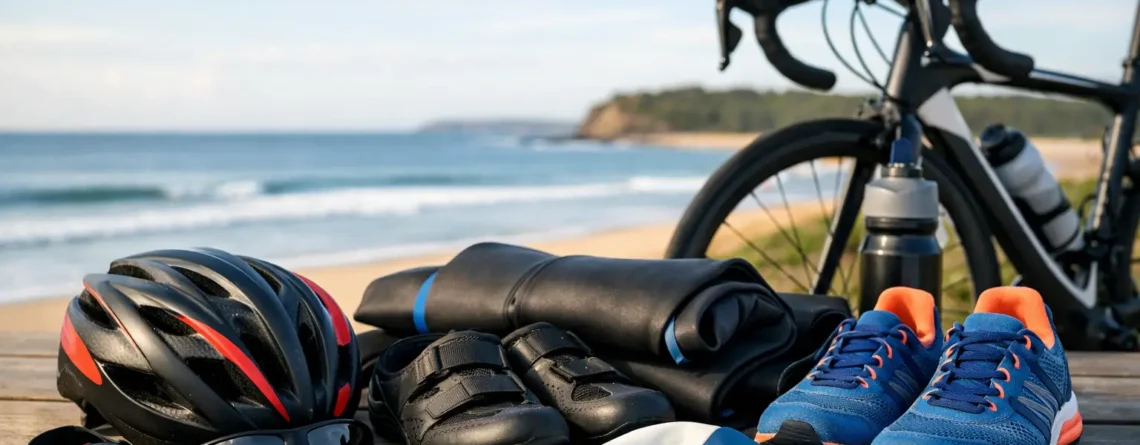
Your first triathlon does not need a carbon bike, a garage full of gadgets, or a bank account meltdown. What it does need is the right beginner triathlon gear Australia athletes can actually use – gear that helps you train consistently, race comfortably, and spend your money where it counts.
That matters because beginners often buy in the wrong order. They splash out on nice-to-haves, then realise they still need the basics for swim sessions, long rides, and race morning. If you are starting out, the smartest gear plan is simple: cover comfort, safety, and repeat training first. Speed can come later.
Beginner triathlon gear Australia athletes should buy first
Triathlon looks gear-heavy from the outside, but the entry point is more manageable than most people expect. You are combining three sports, yes, but you do not need a specialist version of everything on day one.
Start with the items that solve the biggest problems. For swimming, that usually means goggles that fit properly, a comfortable cap, and a towel or parka-style layer for cold mornings around the pool. If you are building swim technique, training tools like fins or a pull buoy can help, but they are support gear, not mandatory gear.
For the bike leg, your first priority is a roadworthy bike and a properly fitted helmet. It does not have to be flashy. It does have to be safe, reliable, and comfortable enough to keep you training. If your bike is second-hand but runs well, shifts cleanly and fits your body, that is a strong start.
For the run, decent running shoes matter more than almost anything else. A poor shoe choice can derail training fast. You want enough support for your gait, enough cushioning for your distances, and a fit that does not leave you nursing blisters after every brick session.
Then there is the gear that ties the whole race together. A tri suit is helpful because it is designed to move from swim to bike to run without a full outfit change, but if budget is tight, many beginners start with close-fitting activewear for training and decide on race-specific kit closer to event day. That is a fair trade-off. Convenience and comfort improve with tri gear, but finishing your first race does not depend on owning the most expensive version.
What to prioritise for swim, bike and run
The swim leg can feel like the most technical part for beginners, especially if your background is running or gym training. Here, comfort beats complexity. Good goggles are worth the effort because leaking, fogging or pressure around the eyes can turn a manageable session into a miserable one. Open-water swimming can also mean colder conditions, so think beyond the pool. Warm layers after the session are not glamorous, but they are useful.
Bike gear is where new triathletes are often tempted to overspend. The real wins come from a bike that fits, a helmet that meets safety standards, and basic accessories that keep your training on track. A drink bottle, a simple repair setup, and comfortable cycling apparel will do more for your consistency than chasing premium upgrades. Clip-in shoes and pedals can help efficiency, but they are not compulsory at the start. Many beginners race flat pedals in early events and still have a great experience.
On the run, focus on the gear you will use every week. Shoes, moisture-managing socks, and lightweight clothing are the foundation. If you train early or late, visibility matters too. You do not need a wardrobe overhaul. You need a few pieces you can trust when the weather turns, the legs are tired, and the session still needs to happen.
The gear beginners think they need, but often do not
There is a difference between useful and urgent. A GPS watch is useful. Deep-section race wheels are not urgent. A transition bag is useful. A dedicated indoor trainer setup might not be urgent unless your schedule or weather makes indoor riding the only realistic option.
That is the trap with beginner triathlon gear in Australia and anywhere else – the sport can make every upgrade look essential. It is not. Plenty of first-timers spend too much on race-day extras before they have built consistent training habits.
If you are choosing where to save, save on status items and spend on function. For example, a well-priced pair of goggles that seals properly is better value than a premium pair that looks fast but does not suit your face. A reliable helmet at a sensible price is a smarter buy than chasing a top-tier aero model before you have even done your first transition practice.
This is where value matters. Affordable performance gear gives beginners room to train, adjust, and learn what actually suits them. You do not need perfect gear. You need gear you will keep using.
How to buy beginner triathlon gear Australia conditions actually demand
Australian conditions shape your kit more than beginners sometimes expect. Heat, glare, wind, rough roads, and early-morning starts all affect what feels comfortable in training and on race day.
For swim training, anti-fog goggles and practical pool accessories pull their weight quickly. For cycling, hydration becomes a bigger deal as the temperature climbs. For running, lightweight fabrics and a cap or visor can make a real difference in the warmer months.
The local buying experience matters too. When you are shopping for race prep, long overseas shipping times are not ideal. Neither is guessing whether support will be helpful if something arrives wrong. Buying from an Australian retailer with local stock can take some stress out of the process, especially when race dates are getting close and you do not have time for delays.
Price matters as well, because triathlon spending can creep up. That is why many beginners do best with a staged approach. Buy the basics now. Train for a while. Then upgrade according to what your own sessions tell you. If your biggest issue is swim confidence, invest there. If your long rides are exposing comfort problems, solve those next. Let your training decide.
A realistic beginner setup on a sensible budget
A sensible beginner setup usually looks less dramatic than social media suggests. Think one reliable pair of goggles, one swim cap, a towel, a safe helmet, practical cycle clothing, running shoes you have already tested, and workout apparel that can handle sweat and movement across different sessions.
Add a tri suit if you want smoother transitions and a simpler race-day setup. Add training tools if they support a clear weakness. Add storage bags or extra layers if they make your routine easier. These are practical upgrades. They help remove friction, and friction is what kills consistency.
The best setup is the one that gets used. That means affordable enough to buy without hesitation, durable enough to handle regular training, and comfortable enough that you are not constantly adjusting, replacing or regretting it.
For many beginners, that is the sweet spot. Not elite. Not bare minimum. Just smart.
How to know if you are ready to upgrade
Upgrade when your current gear is limiting your training, not when boredom kicks in. If your goggles keep leaking despite proper fit, replace them. If your shoes are worn out, replace them. If your helmet is damaged or old, replace it immediately.
Other upgrades can wait until your race goals sharpen. Once you know you love the sport, a better tri suit, more specific swim tools, or improved cycling kit can make more sense. At that stage, you are buying with experience behind you, not hype.
That is also why many new triathletes do well shopping with a practical mindset. Look for quality, but do not confuse quality with the highest price tag. Strong value, sale pricing, and dependable everyday performance are often the better combination when you are building your first kit. For a lot of athletes, that is exactly where 4Sports fits – solid gear, local stock, and no need to overcomplicate the process.
Your first triathlon is not a gear test. It is a commitment test. Turn up with the basics sorted, train steadily, and let your equipment support the work rather than distract from it. The best first purchase is the one that gets you out the door again tomorrow.