

October 28, 2026
Beginner Triathlon Gear: What You Actually Need
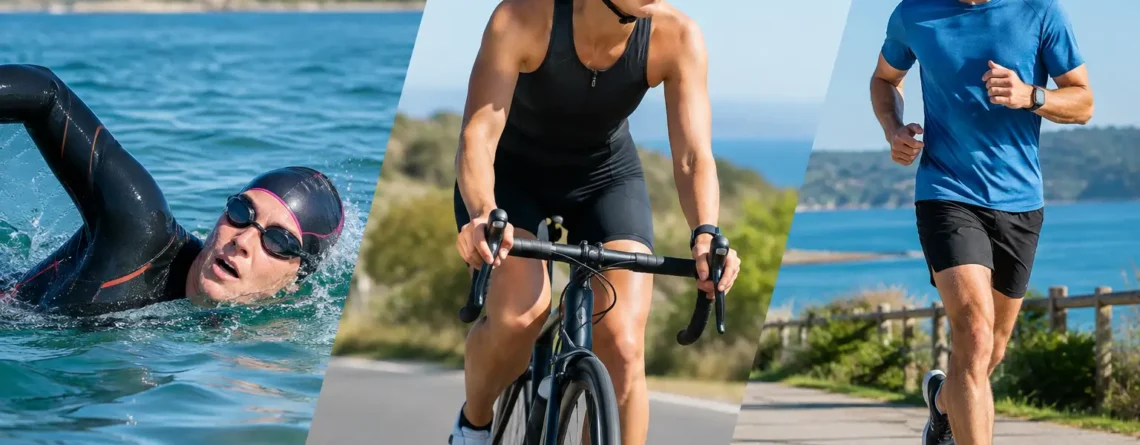
Your first triathlon does not require a garage full of aerodynamic gadgets, three watches and a bike that costs more than your car. Beginner triathlon gear: what you actually need comes down to having safe, comfortable basics for the swim, ride and run, plus a few items that make transition less chaotic when your brain is already busy remembering where you left your helmet.
The useful question is not, “What do experienced triathletes own?” It is, “What will I use in training and on race day?” Start there. Buy gear that suits the event you have entered, practise using it, and leave the marginal extras until you know you will keep doing triathlon.
Beginner triathlon gear: start with the essentials
For most sprint and entry-level triathlons, the essential kit is surprisingly short: swimwear, goggles, a bike, an approved helmet, running shoes and clothes you can move in. You will also need a way to carry water on the bike, although the amount depends on the race distance, weather and what the organiser provides.
Check the race information before buying anything specific. A pool-based triathlon is different from an open-water event. Some events require a wetsuit under certain water temperatures, while others may provide a timing chip, race cap or course nutrition. Race rules also set out requirements for helmets, bike condition and whether drafting is allowed. The event guide is not glamorous reading, but it is cheaper than arriving with the wrong gear.
Swim kit: comfort and clear vision first
You need swimmers or a tri suit, goggles and, for open-water events, whatever the organiser requires. A tri suit is handy because you can wear it for all three legs, but it is not compulsory for a first race. Plenty of beginners swim in fitted swimwear, then pull on a shirt and shorts for the bike and run.
Choose goggles that seal comfortably around your eyes. The right pair does not need to be expensive, but it should stay put when you push off the wall or sight ahead in choppy water. Try them on dry by pressing the eye cups gently to your face. A light seal for a moment is a promising start. If they pinch, leak or leave you looking like you have gone ten rounds with a possum, they are not the pair for you.
For outdoor swimming, lens tint matters. Clear lenses suit dim pool decks and early starts, while tinted or mirrored lenses can be more comfortable in bright Australian conditions. It depends on when and where you train. One reliable pair is more useful than a drawer full of fogged-up backups.
A swim cap is often supplied at the event. Use it if required, but there is no need to buy a collection of race caps beforehand. For training, a basic silicone or latex cap can keep longer hair contained. That is its main job. It will not turn a messy freestyle into a documentary-worthy stroke.
Do you need a wetsuit?
Only if your race conditions and comfort level make it worthwhile. For a cool open-water swim, a wetsuit can make the experience more manageable and is sometimes required by the event rules. It can also be a useful confidence aid for newer open-water swimmers because it adds buoyancy.
But do not buy one blindly. Wetsuits need to fit closely without restricting your breathing or shoulder movement. If you can hire or borrow one for an event, that can be sensible for your first attempt. Practise swimming in it before race morning too. The first time you try to peel a wet wetsuit off your ankles should not be beside a transition rack with 200 people jogging past.
Bike gear: reliable beats flashy
A road bike, hybrid bike or mountain bike may be suitable for a beginner triathlon, provided the organiser permits it and the bike is in safe working order. You do not need a dedicated triathlon bike for a sprint race. The best bike for your first event is usually the one you already own, maintained properly and ridden enough that shifting gears does not feel like a surprise exam.
Your helmet is non-negotiable. It must meet the race rules, fit securely and have no cracks or damage from a previous crash. Fasten it before touching your bike in transition and leave it on until your bike is racked after the ride. This catches out more first-timers than it should.
Before race day, check tyre condition and pressure, brakes, chain and gears. Carry a spare tube, tyre levers and a pump or CO2 inflator on training rides, then learn how to use them. For a short, supported event you may decide to travel lighter, but knowing basic puncture repairs is worthwhile if cycling will become part of your regular routine.
A water bottle and bottle cage are practical purchases, especially through a warm Australian summer. For a short race, one bottle is generally plenty. You do not need a complicated hydration setup with hoses and mounting brackets unless longer rides genuinely call for it.
Padded cycling shorts can make training more comfortable, but whether you race in them depends on what you are wearing. Tri suits have a thinner pad designed for swimming and running as well as cycling. Standard bike shorts have more padding and can feel bulky on the run. Again, use training to find out what works for you rather than trusting the packet.
What about clip-in pedals?
They are optional. Clip-in pedals can feel efficient once you are used to them, but they also require practice getting in and out calmly. If you already use them, fine. If you do not, flat pedals and regular runners are completely reasonable for a first triathlon. There is no medal for learning a new pedal system in the final fortnight, particularly if your first unclipping drill happens at a set of traffic lights.
Running gear: use shoes you know
Wear running shoes that are comfortable and already broken in. Race day is not the moment to debut stiff new shoes, different socks or a pair that looked excellent online but rubs your heel after 800 metres.
You do not need specialist triathlon running shoes. You do need socks that do not bunch up and clothing that stays comfortable when wet with swim water and sweat. Some people prefer to run without socks in a short event to save transition time. That is a personal choice, not a requirement. Test it first on a short brick session – a bike ride followed immediately by an easy run – rather than gambling on your feet.
A hat or visor can be useful in sunny conditions, and sunscreen belongs in your race-day plan. If you normally run with a watch, wear it. If you do not, there is no need to buy one just to record your first triathlon. The finish line will still be there.
Small items that make race day easier
A few inexpensive pieces can remove unnecessary faffing. Lay them out together before you leave home:
- a small towel to mark your transition space and wipe your feet
- a race belt if you do not want to pin your bib to your top
- elastic laces if you have practised with them and like the fit
- a simple bag for wet swimmers, goggles and post-race clothes
- nutrition you have already used in training, if the event is long enough for you to need it
None of these is magic. A race belt saves fiddling, elastic laces save a little time, and a towel is mostly useful because standing on grass, gravel or a wet transition floor in bare feet is not everyone’s idea of a good morning. Choose the items that solve a problem you actually have.
Gear you can skip for now
Power meters, deep-section race wheels, aero bars, expensive recovery gadgets and a pile of specialist nutrition can all wait. They may suit some experienced athletes or longer-distance racing, but they are not prerequisites for completing a first triathlon.
The same goes for most swim training accessories. Fins, pull buoys, paddles and snorkels can be useful if you are attending squad sessions or working on a specific skill. They are not required for triathlon itself. If your swim needs work, regular pool time and sensible coaching cues will do more than buying every accessory on the wall.
Spend first on the pieces you will use repeatedly: goggles that fit, a sound helmet, tyres with life left in them and shoes that feel right. Good training gear should earn its place in your bag, not just look busy in the boot of the car.
Set your kit out the night before, practise one or two simple transitions, and keep your first race focused on finishing calmly and learning the rhythm of the day. You can always add gear later. After all, triathlon has a funny way of giving you very clear ideas about what you need after one soggy transition and a ride with a slipping bottle cage.