

July 7, 2026
10 Best Swimming Training Accessories
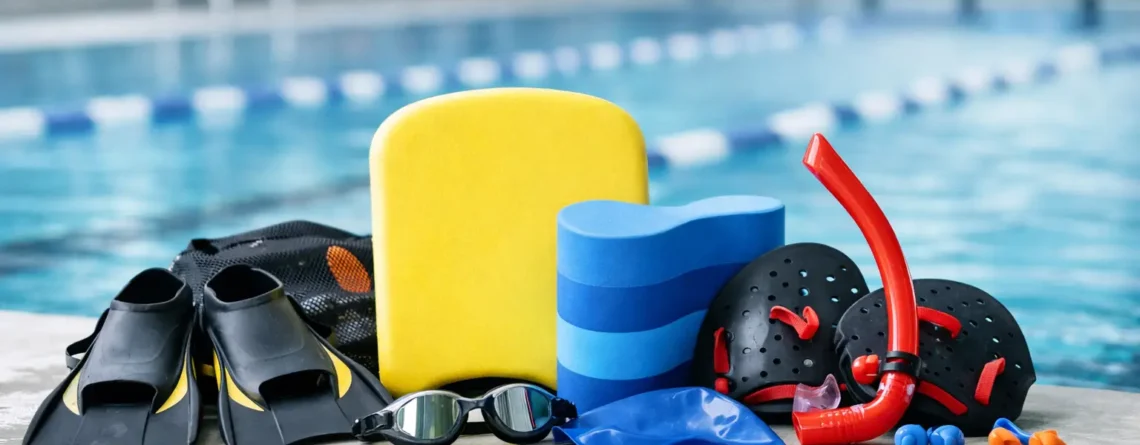
A good session can turn ordinary fast when your gear is wrong. Goggles that leak, fins that rub, a towel that stays soaked – it all chips away at training quality. The best swimming training accessories do the opposite. They make sessions cleaner, sharper and easier to stick with, whether you swim laps before work, train for triathlon or just want to move better in the water.
The trick is not buying everything at once. It is choosing accessories that match the way you train now, then adding pieces that solve real problems. That keeps your kit practical, your spend under control and your pool bag full of gear you actually use.
What makes the best swimming training accessories?
The best swimming training accessories are the ones that improve technique, build strength, increase comfort or help you recover between sets. That sounds simple, but plenty of gear only looks useful on paper. If an accessory is awkward, uncomfortable or too specialised for your current level, it usually ends up at the bottom of the bag.
For most swimmers, the strongest buys are the basics that get used week after week. Think goggles that stay put, fins that support skill work, a pull buoy that helps isolate your upper body, and a proper towel or parka that makes cold mornings less of a grind. These are not flashy purchases. They are the kind that keep training consistent.
There is also a performance versus value question. If you are a beginner or recreational swimmer, you probably do not need elite-level gear with a premium price tag. Dependable accessories at an accessible price often make more sense, especially when you are still building routine and working out what helps most.
10 best swimming training accessories worth having
1. Goggles that fit properly
Every swimmer needs goggles, but fit matters more than branding. A good pair should seal well, feel secure off the dive or push-off, and give clear vision without constant adjusting. If you spend half the session emptying water out of your lenses, your focus is gone.
Tint also matters. Clear lenses work well indoors and in low light. Darker or mirrored options can be better for outdoor pools and bright conditions. If you split sessions between both, you may end up wanting two pairs rather than one do-it-all option.
2. Silicone swim cap
A silicone cap is one of the simplest upgrades in the bag. It helps reduce drag, keeps hair more controlled and can make long sessions more comfortable than thinner latex options. It will not transform your stroke, but it does tidy up the basics.
For swimmers with longer hair, a roomy cap is worth the extra thought. Too tight and it is a hassle before you even get in the water. Too loose and it shifts mid-set.
3. Short training fins
Fins are one of the most useful tools for both swimmers and triathletes. They help improve body position, allow you to hold better speed in drill work and build leg strength without the heavy feel of long diving-style fins. Short silicone fins are especially practical because they are easier to pack and better suited to lap training.
There is a trade-off, though. Fins can mask flaws if you rely on them too often. They are best used to reinforce technique, not replace it. A few focused sets can sharpen kick timing and ankle flexibility. Wearing them for the whole session usually brings less value.
4. Pull buoy
A pull buoy is a staple for upper-body work. Held between the thighs, it lifts the hips and legs so you can focus on catch, pull strength and body alignment. For triathletes, it is also useful when you want to maintain swim conditioning while giving the legs a slightly easier day between ride and run sessions.
That said, a pull buoy is not a shortcut to perfect form. It can hide weak kicking or poor balance if overused. The best approach is to treat it as one part of the session, not the whole session.
5. Kickboard
The kickboard is classic for a reason. It isolates the legs, builds kick endurance and gives newer swimmers a simple way to focus on body line and breathing rhythm. It is also handy for structured sets where you want to target flutter kick without overthinking the rest of the stroke.
Not every swimmer loves long kickboard sets, and fair enough. They can tighten the shoulders or neck if you grip badly or hold your head too high. Used in shorter blocks with good posture, though, a kickboard remains one of the most effective accessories in the pool.
6. Hand paddles
Hand paddles increase resistance through the water, which helps build strength and gives immediate feedback on your catch. When used well, they can teach you where your hand should be pressing and whether you are holding water effectively.
This is one accessory where sizing matters. Bigger is not always better. Oversized paddles can overload the shoulders and turn a technique tool into an injury risk. For most swimmers, a moderate size is the smart call – enough resistance to feel the water properly, not so much that form falls apart.
7. Mesh gear bag
A mesh gear bag does not get much attention, but it earns its place quickly. It lets wet gear drain and air out, keeps your accessories together and stops your pool bag becoming a soggy mess. If you carry fins, paddles, a pull buoy and a towel, organisation starts to matter.
For regular swimmers, this is less about convenience and more about routine. Good habits make training easier. When everything is packed, aired and ready to go, skipping a session gets harder.
8. Quick-dry towel
A proper swim towel is one of those accessories that seems minor until you use a bad one. Heavy cotton towels take longer to dry, hold more moisture in your bag and can feel bulky if you are heading straight to work or the gym. A compact quick-dry towel is easier to carry and far more practical for frequent sessions.
This is especially true if you train year-round. Winter mornings and wet gear are not a fun mix. A towel that dries fast makes turnarounds simpler and keeps your bag lighter.
9. Swim parka or deck coat
If you spend time on pool deck before or after training, a swim parka is a strong buy. It keeps you warm between sets, after races or while coaching, waiting or travelling to and from the pool. For anyone swimming through colder months, it can be the difference between staying comfortable and being miserable.
This is not essential for every swimmer, especially if you train indoors and head straight home. But if you are at outdoor pools, club sessions or early starts, the value becomes obvious quickly.
10. Water bottle and simple hydration setup
It sounds basic, because it is. But swimmers often forget to drink enough during sessions, especially in cooler weather when sweat is less obvious. Having a dedicated water bottle at training keeps hydration consistent and helps maintain quality across longer sets.
You do not need anything fancy here. You just need something easy to grab between reps. Good training is built on repeatable habits.
How to choose the best swimming training accessories for your goals
If your focus is technique, start with goggles, fins and a pull buoy. That combination gives you plenty of room to improve body position, kicking mechanics and upper-body awareness without overcomplicating your sessions.
If fitness is the main goal, a kickboard, fins and paddles can add variety and resistance. You will be able to mix easier aerobic work with more demanding strength-focused sets. Just keep shoulder load in mind if you are also doing gym work during the week.
If convenience matters most, put your money into accessories that make regular training easier to maintain – a quick-dry towel, mesh bag, comfortable cap and reliable goggles. These are the pieces that remove friction from the routine.
Triathletes often need a slightly different mix. Because pool time is only one part of the week, practical crossover value matters. Fins, pull buoys, goggles and a compact towel usually deliver more than highly specialised extras. The goal is efficient training, not a bag full of gear for gear’s sake.
Best swimming training accessories for beginners
Beginners do not need a huge shopping list. In fact, too much gear can make early sessions feel more complicated than they need to be. Start with comfortable goggles, a silicone cap, a towel and one training tool – usually fins or a kickboard, depending on confidence in the water.
From there, add only when you know why you need it. If your coach wants more upper-body focus, get a pull buoy. If you are working on catch mechanics, look at paddles later on. The best setup is the one that supports progress without draining the budget.
For Australian swimmers shopping online, local stock can also make a real difference. Faster delivery, simpler support and easier returns take some of the guesswork out of buying training gear, especially when you are replacing essentials in a hurry.
Spend where it counts
The smartest swim bag is not the most expensive one. It is the one built around the sessions you actually do. Reliable basics, a few well-chosen tools and gear that stands up to regular use will take you further than chasing every new extra on the market.
Train with purpose. Keep it practical. And when an accessory helps you show up, move better and stay consistent, it has already done its job.