

July 5, 2026
Best Triathlon Starter Gear That Matters
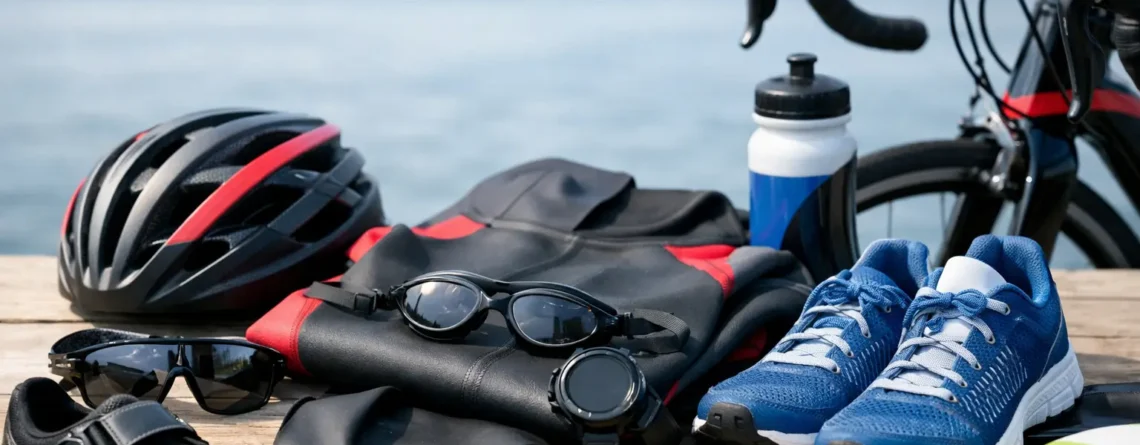
Your first triathlon usually starts with one question and turns into twenty. Do you need a tri suit? Are expensive goggles worth it? What actually counts as the best triathlon starter gear when you are trying to train properly without blowing the budget before race day even arrives?
The good news is you do not need a garage full of fancy kit to get started. You need a small group of reliable basics that help you train consistently, stay comfortable, and avoid silly mistakes on race day. That is the sweet spot. Performance without overspending.
What the best triathlon starter gear really looks like
Beginner triathlon gear is often sold as if every item is essential from day one. It is not. The best triathlon starter gear is the gear that solves a real problem. It helps you swim with confidence, ride safely, run comfortably, and get through transitions without stress.
That means your first purchases should focus on fit, function, and value. A badly fitting premium item is still a bad buy. A well-chosen affordable item you use every week is a win.
There is also a difference between training gear and race gear. Some products matter most in daily sessions, like goggles and running socks. Others matter on event day, like a race belt or tri suit. If your budget is tight, start with what supports the most training hours first.
Start with the swim gear you will use every week
Swimming is where many first-time triathletes feel the least confident, so this is not the place to cut corners on comfort. You do not need heaps of gear, but the basics matter.
A good pair of goggles should sit securely, seal well, and give you clear vision without constant fiddling at the wall. For beginners, comfort usually matters more than low-profile racing design. If they leave you with a splitting headache after ten minutes, they are not the right pair.
A reliable swim cap is another easy win. Silicone caps tend to last longer and feel more comfortable than cheaper alternatives. They also help keep drag down a little and stop pre-session frustration when you are trying to get ready in a hurry.
For swim training, a pull buoy and fins can be useful, but they are not day-one essentials for every athlete. They help with technique, body position, and building confidence in the water, especially if your kick is weak or your legs drop. Still, if the budget only stretches so far, goggles and a cap come first.
A quick-dry towel and a decent swim bag also make life easier than people expect. Triathlon training often means early starts, wet gear in the car, and back-to-back commitments. Practical kit counts.
Swim extras that are nice, not necessary
A wetsuit can be a big purchase, and whether you need one depends on your race format and water temperature. For open water events, it can improve warmth, buoyancy, and confidence. For pool-based triathlons, it may not matter at all. If you are unsure whether triathlon will stick, it can make sense to borrow or hire one first.
On the bike, safety comes before speed
The bike leg tends to trigger the biggest spending panic. Relax. Your first triathlon does not require a top-end tri bike. The best triathlon starter gear on the cycling side is about safety, reliability, and enough comfort to train consistently.
A road bike is great, but many beginners start on a standard bike they already own. That can be perfectly fine if it is in good working order and suits the event rules. Before thinking about upgrades, make sure the brakes work properly, the tyres are in decent condition, and the bike has been serviced if it has been sitting around collecting dust.
Your first cycling essential is a properly fitted helmet. No compromise here. It should meet safety standards, fit snugly, and stay stable without wobbling around. You will wear it in every ride and every race.
Padded cycling shorts are another smart buy because they directly affect how long and how comfortably you can train. You do not need the most expensive pair on the shelf, but you do want decent padding and a fit that does not bunch or rub.
A water bottle and bottle cage are simple additions that become non-negotiable fast. Hydration matters in training, and learning to drink while riding is part of getting race-ready. Add a small saddle bag with a spare tube, tyre levers, and a mini pump, and you have covered the practical basics that stop minor issues from wrecking a session.
What about cycling shoes and clip-in pedals?
They can improve pedalling efficiency and bike control once you get used to them, but they are not mandatory beginner gear. In fact, they can add stress if you are still learning handling skills or feel nervous in transition areas. Flat pedals are completely acceptable for a first event if they help you feel more in control.
Running gear should feel boring in the best way
If something is wrong with your run gear, you will know about it quickly. The best beginner setup disappears on your body. No rubbing, no slipping, no hot spots, no drama.
Running shoes are the big one. They need to suit your foot shape, stride, and training volume more than they need to be trendy. The wrong shoe can lead to sore calves, blisters, or knees that complain every time you pick up the pace. If you are already running comfortably in a pair, that is often better than changing to a new model right before your event.
Technical running socks are a small upgrade with a big payoff. They help manage moisture and reduce friction, which is especially useful in triathlon when your feet may be damp coming off the bike.
A comfortable cap or visor can also help in sunny conditions, especially through long training sessions and hot races. In Australia, that matters. So does a lightweight drink bottle or hydration option if your runs are getting longer.
The smartest race-day buy is often a tri suit
If you plan to do more than one event, a tri suit is one of the best triathlon starter gear purchases you can make. It is designed to handle the full swim, bike, and run sequence without needing a complete outfit change. That saves time in transition and reduces the chance of chafing from extra layers.
The key is not buying the flashiest one. It is buying one that fits close without restricting movement. A good tri suit should feel supportive on the bike, streamlined in the water, and comfortable enough to run in. For one very short beginner event, you can often race in swimwear plus a top and shorts, but a tri suit becomes more worthwhile the more regularly you race.
A race belt is another low-cost item that makes event day easier. It holds your race number so you can rotate it from back to front between the bike and run without stuffing around with safety pins.
Elastic laces also deserve a mention. They are not essential, but they make transitions quicker and simpler. For a beginner, less fiddling usually means less stress.
Do not ignore the small gear that keeps training on track
Starter gear is not only about the obvious swim-bike-run categories. A few support items can make training more consistent.
A sturdy gym bag helps if you are heading to the pool before work or fitting sessions around family life. A drink bottle you actually remember to use matters more than an expensive supplement tub. Anti-chafe balm can save a long session. A lightweight towel, comfortable training apparel, and dependable storage for your gear all help remove excuses and keep momentum going.
That is where practical value matters. For many athletes, shopping from a local Australian retailer with stock ready to go simply makes the whole process easier. Less waiting, less guesswork, more time training.
What you can skip at the start
Power meters, carbon wheels, aero helmets, expensive GPS watches, and deep stacks of specialist accessories can all wait. They may become useful later if you are chasing performance gains, but they are not what gets a beginner to the finish line.
The biggest early wins usually come from consistency, not gadgets. Train regularly. Practise transitions. Get comfortable in open water if your race includes it. Learn what food and hydration work for you. Gear should support that process, not distract from it.
How to build your kit without wasting money
A simple way to buy well is to work in layers. First, cover the essentials for each leg: goggles and cap, helmet and bike basics, shoes and socks. Next, add comfort upgrades that improve training, such as padded shorts or a tri suit. After that, consider convenience items for race day.
It also pays to think about reusability. A pull buoy can support swim training beyond one event. A quality towel, gym bag, or training top gets used across multiple sports. That makes them stronger value purchases than highly niche items you may only touch once or twice.
If a product solves a problem you keep having, it is probably worth it. If it just looks fast, maybe wait.
Triathlon does not reward the biggest shopping spree. It rewards preparation, smart choices, and showing up ready to work. Start with the basics, buy for comfort and consistency, and let your gear grow with your goals.