

June 22, 2026
What to Pack in a Triathlon Bike Repair Kit
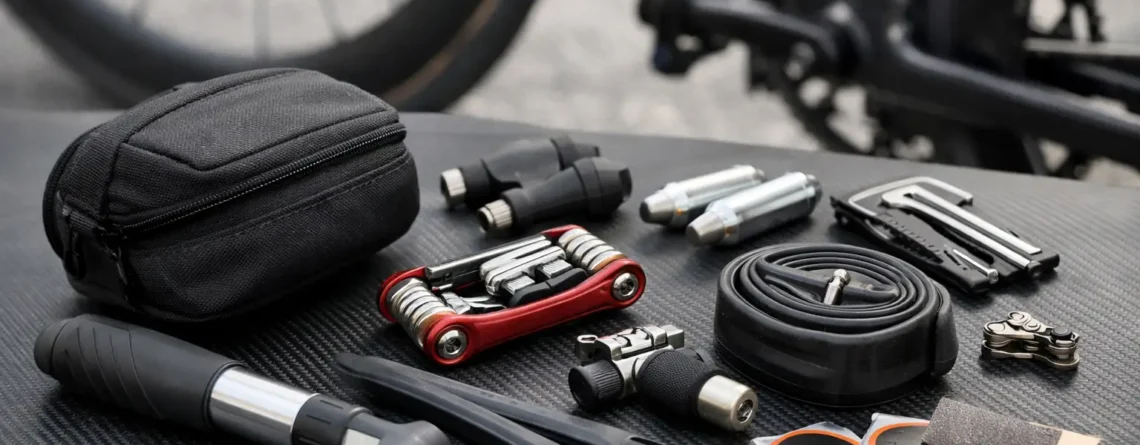
Nothing chews through race-day confidence faster than hearing that soft hiss from a tyre five minutes before transition closes. A well-packed triathlon bike repair kit will not make you immune to mechanicals, but it does give you a real shot at fixing the problem fast and getting moving again.
For most triathletes, the goal is simple – carry enough to handle the likely issues, skip the dead weight, and keep your setup tidy. You do not need a mobile workshop strapped under your saddle. You need a compact kit that matches your bike, your race distance, and the sort of roads you actually ride.
Why a triathlon bike repair kit matters
Triathlon is not the same as a casual bunch ride. You are already juggling swim gear, nutrition, race timing, transition setup and pacing. When something goes wrong on the bike, there is no room for digging through pockets full of random tools and hoping for the best.
A proper triathlon bike repair kit gives you speed and clarity. You know where everything is. You know it works with your bike. And you are not carrying extra bits just because someone on a forum said you might need them one day.
That last point matters. Overpacking can be nearly as frustrating as underpacking. Too much gear rattles, adds weight, clutters your frame and makes race-day setup messier than it needs to be. The sweet spot is a kit that feels light, complete and easy to use under pressure.
The core items every rider should carry
At minimum, your kit needs to solve the most common triathlon problem – a flat. That means a spare tube, tyre levers and a way to inflate the tyre again. For many riders, that inflation method will be CO2 because it is quick and compact. Others prefer a mini pump for training rides because it is reusable and less stressful if the first attempt goes wrong.
A multitool also earns its place. Loose bolts, slipping saddles and minor cockpit adjustments are not everyday drama, but when they happen, you will be glad you packed one. Look for a compact tool with the most common hex sizes used on modern bikes. If your bike includes Torx bolts, make sure your multitool covers them too.
Those basics form the backbone of a triathlon bike repair kit. Without them, you are relying on luck. With them, you can handle a surprising number of roadside problems.
Tube, tubeless or race-specific setup?
This is where the kit starts to depend on your bike.
If you ride tubes
The most straightforward setup is one spare tube, two tyre levers, inflation and a multitool. If you are training long or riding rougher roads, carrying a second tube can make sense. For shorter races, one is usually enough, provided your tyre and rim setup is reliable.
You can add a small patch kit, but it is usually the backup to the backup. For race day, speed wins. Swap the tube, inflate, and go.
If you ride tubeless
Tubeless can reduce puncture drama, but it does not remove the need for repair gear. Sealant handles small holes well, yet bigger cuts can still stop you cold. In that case, a tubeless plug tool is useful, and many riders still carry a spare tube in case the tyre refuses to seal.
That is the trade-off. Tubeless can be excellent, but your repair kit can become slightly more specialised. If you are new to it, practise using plugs before race day. The shoulder of a road is not the place to read instructions.
If your bike is highly integrated
Some triathlon bikes hide brakes, use proprietary storage or have very tight frame clearances. That can affect everything from which inflator head fits to how easy it is to remove a wheel. A triathlon bike repair kit should work with your actual bike, not a generic road bike checklist.
Do a practice repair at home with race wheels fitted. If it takes twenty minutes in the garage, it will feel worse mid-race.
CO2 or mini pump?
Both have a place, and the best choice depends on whether you are racing or training.
CO2 is fast, light and compact. That is why it is so popular in triathlon. One cartridge can get you back on course quickly, and it fits neatly into a small storage bag or integrated box. The downside is that it is one-shot if used badly. If the cartridge misfires or the valve connection is awkward, you can burn through your only inflation option in seconds.
A mini pump is slower and bulkier, but more forgiving. It is a strong option for training, especially if you are riding solo or heading further from home. Some riders carry both for long sessions, though that starts to push the line between prepared and overloaded.
For race day, many triathletes lean towards CO2. Just do yourself a favour – practise with it before you actually need it.
How to pack your triathlon bike repair kit without the bulk
A repair kit only helps if it stays secure and easy to access. That means keeping it compact and avoiding loose gear stuffed into every pocket.
Under-saddle bags are common, though some triathletes prefer integrated storage on the frame to keep the bike cleaner and more aerodynamic. Others use a small storage bottle mounted in a cage. There is no single perfect answer here. What matters is that your gear stays dry, does not bounce around and can be reached quickly.
Try to keep sharp edges covered and small parts grouped together. A spare tube should be protected from rubbing. CO2 cartridges should not knock against tools all ride long. If your kit rattles on every bump, it is packed badly.
There is also a practical point many riders learn late – your repair kit should fit around your nutrition plan, not fight with it. If every bottle cage is already spoken for during a long-course race, your storage choice needs more thought.
What not to pack
This is where a lot of kits go off track.
You probably do not need a full-size spanner, a giant patch box, three tubes for a sprint race or every tool in the shed. Triathlon rewards efficiency. Carrying too much turns a simple repair setup into dead weight and clutter.
You also do not want mystery gear you have never used. That tiny inflator head looked clever online, but if it is fiddly in your hands, it is not race-ready. Same goes for super-cheap tyre levers that snap under pressure or a multitool missing the one size your seatpost needs.
Affordable gear is smart. Random gear is not. There is a difference.
Build your kit around distance and conditions
A sprint triathlon and an Ironman do not ask exactly the same thing from your bike setup. Shorter races often justify a stripped-back approach. Longer events, rougher roads and remote training routes usually call for a bit more insurance.
Weather matters too. Wet roads can increase puncture risk. Regional roads can be rougher than smooth city loops. If you train before sunrise or finish late, a tiny emergency light can be a smart addition for training, though not necessarily part of your race kit.
This is the real rule – your triathlon bike repair kit should reflect where and how you ride. Not just what looks neat in a product photo.
Check your kit before race day
The biggest mistake is assuming last month’s kit is still ready to go.
Tubes can perish. CO2 cartridges can go missing. Multitools can end up in another bag after a weekend ride. Even tyre levers disappear with weird regularity. A quick pre-race check saves a lot of stress.
Make sure your spare tube matches your valve length, especially if you run deeper wheels. Confirm your inflator works with your valve type. Check that the multitool includes the bits your bike actually uses. If you carry a tubeless plug, make sure the strips have not dried out or vanished.
This is not glamorous, but it is the sort of detail that keeps your race moving when others are stuck on the roadside.
A smart kit is about confidence, not just repairs
There is a mental edge in knowing you are covered. You settle into the ride better when you are not worrying about every bit of road grit or every odd noise from the bike. That confidence matters, especially for newer triathletes still building experience.
You do not need the fanciest setup to get that feeling. You need dependable essentials, packed with purpose, and tested before the big day. That is the winning formula – practical gear, fair value and no wasted extras. For Australian athletes wanting to train hard without overspending, that balance is exactly the point.
Pack the basics, test them properly, and keep your setup honest. When the race throws something annoying your way, you will be ready to deal with it and get back to chasing your next finish line.