

August 16, 2026
Microfibre Towel vs Cotton Towel: Which Wins?
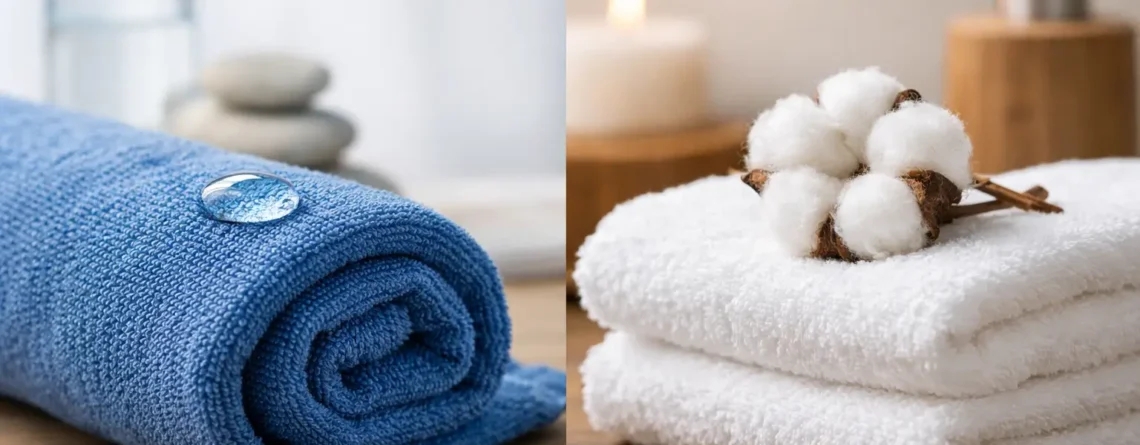
A towel that stays damp in your gym bag is more than annoying. It can leave your gear smelling ordinary, add bulk to your kit and make a rushed post-session change harder than it needs to be. In the microfibre towel vs cotton towel debate, the best choice comes down to where you train, how you travel and what you want the towel to do.
For swimmers, triathletes, gym regulars and weekend adventurers, both materials have a place. Cotton delivers familiar comfort and a plush feel. Microfibre is built for compact packing, fast drying and getting on with the next session. Here is how they stack up when performance matters.
Microfibre Towel vs Cotton Towel: The Key Differences
The biggest difference is in the fibres themselves. A cotton towel is made from natural fibres that soak up moisture throughout the fabric. It feels soft against the skin, especially when it has a thicker looped pile, but it can become heavy once wet.
Microfibre towels are usually made from very fine synthetic fibres, commonly polyester blended with polyamide. Those tiny fibres create lots of surface area, allowing the towel to pick up moisture efficiently while remaining thin and light. Rather than the deep, fluffy texture of a bath towel, many microfibre towels have a smooth or suede-like finish.
That difference changes how each towel performs in your training bag, at the pool and on the road.
Absorbency is not the whole story
Cotton has a strong reputation for absorbency, and for good reason. A quality cotton towel can hold plenty of water and feels excellent after a shower. If you are drying off at home, at a leisure centre or after a long beach session, its thick pile can be a genuine comfort.
Microfibre is highly absorbent for its size, which is the important point for active people. A compact towel can dry your body or hair without taking up half your swim bag. It may not feel as luxurious as a thick cotton towel, but it is designed to work hard without creating extra bulk.
A towel’s construction matters as much as its material. A thin, low-quality cotton towel may feel rough and absorb poorly, while a well-made microfibre towel will handle repeated training sessions with ease. Check the size and intended use rather than judging by fabric alone.
Drying time changes your routine
This is where microfibre usually pulls ahead. It dries far faster than cotton, making it a smart option for early-morning swim squads, gym sessions before work, camping trips and multi-day events. Hang it up after use and it is often ready again much sooner than a conventional towel.
Cotton retains more water, so it takes longer to dry. Put a soaked cotton towel into a closed backpack and it can stay wet for hours. That is not ideal when you are heading from the pool to class, work or another training session.
For swimmers and triathletes, faster drying also means less fuss between sessions. Pack a microfibre towel, rinse it if needed, hang it out and keep moving. Small wins like this help a busy training week run better.
Feel and comfort favour cotton
Cotton is difficult to beat for that warm, soft, post-shower feel. It is gentle on skin and gives you proper coverage when you are changing after a session. A larger cotton towel also works well as a changing mat on the pool deck, at the beach or beside the car after an open-water swim.
Microfibre can feel different at first. Some people love the smooth finish, while others find it less cosy or notice that it grips slightly to dry skin. Higher-quality options tend to feel softer, but if your number one priority is a plush towel after a hot shower, cotton remains the easy choice.
It can also depend on how you dry yourself. Cotton is great for wrapping up and rubbing dry. With microfibre, patting rather than vigorous rubbing often feels more comfortable and gets the job done quickly.
Which Towel Works Best for Your Sport?
A single towel does not need to do every job. Choosing by activity is often the simplest way to get better value from your gear.
Swimming and triathlon
Microfibre is made for the athlete who carries fins, goggles, a pull buoy, snacks, dry clothes and a water bottle in one bag. It folds down small, dries quickly and is easy to bring to every squad session. A larger microfibre towel can still provide solid coverage while keeping your kit lighter.
Cotton works well for swimmers who drive straight home, have space in their bag or want a comfortable towel for longer poolside sessions. It is also a great choice for the beach, where a thicker towel can double as somewhere to sit between swims.
For triathlon, compact gear wins. A microfibre towel is easy to keep in transition or use after a recovery swim without adding unnecessary weight. Save the cotton towel for the shower afterwards.
Gym, functional fitness and boxing
For gym training, a microfibre towel is usually the more practical pick. It is light enough to carry daily, takes up little room beside wraps, lifting straps or a change of clothes, and dries quickly after wiping down or showering off.
Cotton is still useful when you prefer more coverage after training or regularly shower at the gym. If you train after work and do not get home until late, just make sure you can hang it out instead of leaving it in the bottom of your bag.
Running, cycling and travel
Runners and cyclists often need a towel for event days, post-ride café stops, rain-soaked gear or a quick freshen-up before heading home. Microfibre makes sense because it packs small and does not become a bulky, wet burden.
Travelling athletes will notice the difference even more. Whether you are heading away for a fun run, a cycling weekend or a family holiday, a microfibre towel frees up valuable bag space. Cotton is better suited to trips where comfort is the priority and you have access to regular washing and drying.
Care Matters More Than You Think
Both towel types last longer when washed properly. Cotton towels should be washed after a few uses, especially after pool sessions where chlorine and body oils build up. Avoid using too much fabric softener, as it can coat the fibres and reduce absorbency over time.
Microfibre needs a little extra care. Wash it in cool or warm water with similar fabrics, avoid fabric softener and skip high heat where possible. Fabric softener can clog the fine fibres that make microfibre effective. It is also best to keep microfibre separate from lint-heavy cotton items, as lint can cling to the surface.
Air drying is a good habit for both. It saves energy, helps preserve the fabric and means your towel is less likely to develop a stale odour. Never leave a wet towel crumpled in your bag overnight if you can avoid it.
So, Should You Buy Microfibre or Cotton?
Choose microfibre if you want a lightweight towel that dries quickly, packs down small and suits frequent training. It is the practical all-rounder for swim squads, gym bags, race days and travel.
Choose cotton if you want maximum comfort, a soft feel and a towel that is ideal for home showers, beach days or relaxed pool sessions. It is heavier and slower to dry, but many athletes still prefer it when space is not an issue.
For plenty of active Australians, the answer is both. Keep a compact microfibre towel in your everyday sports bag, then reach for a larger cotton towel when comfort and coverage matter most. At 4Sports, the right training essentials are the ones that make it easier to turn up, train hard and chase the next goal.
Before your next session, look at what is actually taking up space in your bag. A towel that suits your routine can make every pool deck, gym floor and finish line feel a little more organised.