

June 24, 2026
Best Pull Buoy for Swimming: What to Buy
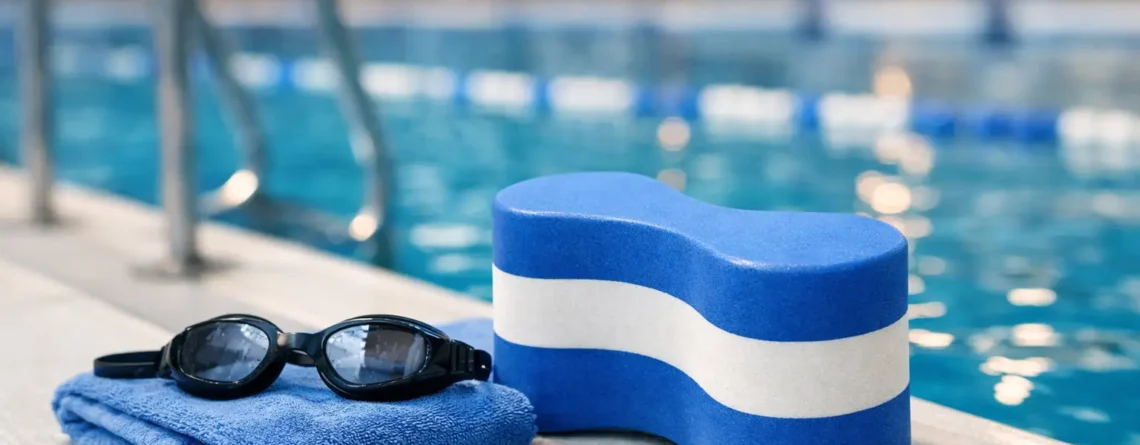
A pull set can make or break a swim session. If your buoy slips, pinches or fights your body position, you spend more time fixing it than training with it. That is why choosing the best pull buoy for swimming matters – not as a fancy extra, but as a simple tool that can sharpen technique, build upper-body strength and make every lap more productive.
For most swimmers, the right pull buoy is not the most expensive one. It is the one that matches your body size, your stroke, and the way you train. If you are swimming a few times a week, building triathlon fitness, or adding structure to squad sessions, getting this choice right saves frustration and helps you train with purpose.
What makes the best pull buoy for swimming?
A good pull buoy should do one job well. It needs to support your hips and legs so you can focus on your catch, pull and body alignment without kicking. Sounds simple, but shape and density change the feel a lot.
The best pull buoy for swimming usually gives enough lift to keep you balanced without forcing you into an awkward position. Too much buoyancy can feel artificial, especially for stronger swimmers who want a more natural line in the water. Too little buoyancy can leave your legs sinking, which defeats the point.
Comfort matters too. A buoy should stay in place between your thighs without needing constant squeezing. If you are gripping it hard just to stop it falling out, you are adding tension where you do not want it. That can throw off your stroke and turn a technique tool into a distraction.
Size matters more than most swimmers think
One of the biggest mistakes is assuming one size fits everyone. It does not. A larger buoy can work well for taller swimmers, broader builds, or anyone who naturally sits lower in the water. A smaller buoy is often better for junior swimmers, petite adults, or swimmers who want a subtler training aid.
If the buoy feels too wide, it can push your legs apart and make your stroke feel clunky. If it is too small, you may not get enough support to hold steady body position through longer sets. There is always a trade-off. More lift feels easier. Less lift often feels more realistic.
For beginner and intermediate swimmers, a medium-sized pull buoy is usually the sweet spot. It gives enough support to learn the drill properly without overcorrecting everything.
When a larger buoy is the better choice
A larger model can be a smart pick if you are working on endurance sets, coming back to swimming after time off, or training for triathlon and want to preserve energy for focused upper-body work. It can also help if your legs sink heavily when you stop kicking.
That said, bigger is not automatically better. If the buoy feels bulky in turns or changes your hip position too much, it may be helping in one area while masking problems in another.
When a smaller buoy works better
A smaller buoy often suits swimmers who already hold decent alignment and want just enough assistance to isolate the pull. It can also feel better during faster sets, where a heavy, oversized buoy can become annoying.
If your training is technique-heavy rather than purely strength-focused, smaller can be smarter.
Shape changes the feel in the water
Not all pull buoys are cut the same. Some have a classic hourglass shape. Others are flatter, more contoured, or designed to lock more firmly between the legs.
The classic shape is popular for a reason. It is stable, familiar and easy to use across different sessions. For many swimmers, this is the safest choice because it balances comfort with control.
More contoured designs can feel secure and streamlined, but they are not ideal for everyone. If a buoy is too aggressively shaped for your leg position, it may rub or sit awkwardly. This is one of those it-depends decisions. Some swimmers love the locked-in feel. Others want something simpler that does not need perfect placement every lap.
Material and density are not just technical details
Most pull buoys are made from EVA foam, but foam quality still varies. Denser foam tends to last longer and keeps its shape better over time. Softer foam can feel comfortable at first, but if it compresses too easily, performance drops.
This matters if you train regularly. Chlorinated pools, hot car boots and repeated use all wear gear down. A buoy that loses shape quickly stops being reliable. Affordable matters, but cheap gear that needs replacing too soon is not great value.
A solid, durable buoy hits the sweet spot – supportive in the water, comfortable to hold, and sturdy enough for regular laps.
How to match a pull buoy to your training goal
Swimmers often buy on looks or price alone, but your real guide should be how you plan to use it.
If you want to improve body position and stroke awareness, choose a buoy with moderate lift and a comfortable shape. You want support, not a crutch. If your focus is upper-body strength or pull sets with paddles, a slightly firmer and more stable buoy can make those sessions more effective.
For triathletes, versatility matters. You may want a buoy that works for technique days, aerobic pull sets and occasional race-prep training. In that case, a balanced all-round design is usually the better buy than an ultra-specialised option.
If you are newer to swim training, do not overthink it. Start with a dependable, mid-size buoy that feels secure and natural. You can always fine-tune later as your training gets more specific.
Common buying mistakes to avoid
The first mistake is buying the cheapest option without checking shape or size. Price matters, especially if you are building out your swim kit, but a poor fit gets old fast.
The second is choosing a buoy with too much lift because it feels easier in the first session. Easy is not always useful. If the buoy is doing all the work, you are not learning to hold your line.
The third is ignoring your own comfort. Training tools should help you settle into rhythm. If something rubs, slips or feels awkward every set, you will stop using it.
Another common issue is expecting a pull buoy to fix technique on its own. It will not. It can help you isolate certain parts of the stroke, but it works best as part of focused training, not as a shortcut.
Do beginners need the best pull buoy for swimming?
Yes, but best does not mean premium. Beginners benefit from gear that is simple, comfortable and easy to trust. A well-made entry-level buoy often does the job better than a high-end design that feels too specialised.
The key is confidence. When your gear behaves the way it should, you can focus on learning rather than fiddling. That is a better result than paying extra for features you may not notice yet.
For budget-conscious swimmers, value is about durability and usability. A pull buoy should earn its place in your swim bag by lasting well and helping you train properly from session one.
What to look for before you buy
Keep it practical. Check the size, look at the overall shape, and think about how often you swim. If you are training once or twice a week, you probably do not need anything complicated. If you are in the pool often, quality foam and a stable fit matter more.
It is also worth thinking about the rest of your setup. If you use hand paddles, the buoy needs to stay stable through stronger pulling. If you train across swim, bike and run, you may prefer gear that is dependable, straightforward and easy to replace when needed.
For Australian swimmers shopping online, local stock can make the whole process easier. Faster delivery, simpler support and less guesswork all help when you just want your gear sorted and your next session locked in. That practical approach is a big reason many swimmers choose retailers like 4Sports for everyday training essentials.
The right pull buoy should feel almost unremarkable
That might sound odd, but it is true. The best pull buoy is not the one you notice every lap. It is the one that quietly does its job while you focus on holding form, building strength and getting through the set.
Buy for fit, not hype. Pick the shape and size that suits your body and your training. Keep comfort high, keep distractions low, and let the work happen in the water.
A good session starts with gear that pulls its weight – and a pull buoy that feels right is one less thing standing between you and better swimming.