

October 1, 2026
Can Knee Sleeves Improve Squats? What Helps
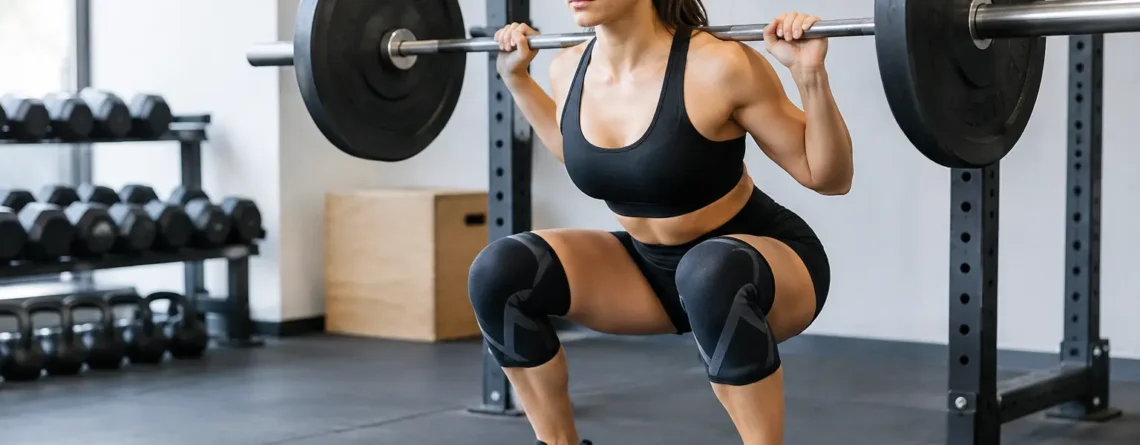
A heavy squat can expose every weak link in your setup. Your knees may feel stiff in the first few warm-up sets, wobble slightly as fatigue builds, or simply lack the confidence you need to push with intent. So, can knee sleeves improve squats? For many lifters, yes – but not because they magically add strength or fix a poor movement pattern.
Knee sleeves can provide warmth, light compression and a more secure feeling around the joint. That may help you feel more prepared, comfortable and consistent under the bar. The best results come when sleeves support solid technique, sensible loading and recovery – not when they are used to train through pain.
Can knee sleeves improve squats in the real world?
Knee sleeves may improve your squat performance indirectly. When the knee joint and surrounding muscles feel warm, some athletes find it easier to settle into their depth and maintain control through the bottom of the lift. Compression can also create useful sensory feedback. You are more aware of where your knees are tracking, which can encourage a steadier, more deliberate rep.
There is also the confidence factor. Squats demand commitment. If your knees often feel cold, creaky or unreliable at the start of a session, putting on sleeves can become part of a repeatable pre-lift routine. That familiar, supported feeling may help you approach working sets with more focus.
The catch is that sleeves are not a shortcut to a bigger squat. They do not replace strong quads, glutes and hamstrings. They cannot correct knees collapsing inward, heels lifting off the floor or a bar position that does not suit your build. Think of them as training gear that can make good habits easier to repeat.
What knee sleeves actually do
Most knee sleeves are made from neoprene or a similar elastic material. Their main job is to trap warmth around the knee and apply even compression. They are different from knee wraps, which are tightly wound and can provide more mechanical rebound out of the bottom position. If you are buying equipment for everyday gym training, sleeves are generally the more practical and versatile choice.
A sleeve can help reduce that cold, stiff sensation when you begin squatting, especially during early-morning sessions or in a chilly gym. It can also minimise distractions from mild, non-specific aches after hard training. That does not mean it treats an injury. It simply makes some lifters feel more comfortable while they move.
The sensation of compression is another benefit. Your muscles and joints constantly send position information to your brain. A close-fitting sleeve may enhance this awareness, helping you notice when one knee is drifting in or when you are shifting more weight to one side. Use that feedback to improve your next rep rather than relying on the sleeve to hold you in place.
The benefits depend on your squat and your goal
A beginner learning the goblet squat may get more value from coaching cues, stable shoes and regular practice than from buying sleeves immediately. Learn to brace your trunk, keep your whole foot planted and allow your knees to travel naturally in line with your toes. Those basics will carry over to every variation.
For a regular gym-goer building volume with back squats, front squats or leg work, knee sleeves can be a worthwhile comfort tool. Higher-repetition sets create heat, fatigue and plenty of time under tension. Sleeves may help you stay focused on your positions rather than the feeling around your knees.
For a lifter chasing a personal best, firmer sleeves can feel especially useful during heavier work. The warmth and compression may make the descent feel more controlled and the bottom position more predictable. Results vary, though. Some athletes love a very firm sleeve; others feel restricted and squat better in a more flexible option.
If you are doing functional fitness sessions, sleeves can also make sense because you may transition between squats, lunges, box jumps and conditioning work. Choose a pair that allows you to move freely and does not become uncomfortable when worn for longer blocks.
Choosing the right thickness and fit
Thickness changes the feel significantly. A thinner sleeve, often around 3 mm, is lighter and more flexible. It suits dynamic training, general strength work and people who want warmth without much restriction. A medium option around 5 mm is a popular all-round choice for gym training and squat-focused sessions.
Thicker 7 mm sleeves are firmer and more supportive-feeling. They are commonly chosen for heavy strength training, but they can be harder to put on and less pleasant for long conditioning sessions. More thickness is not automatically better. The right option is the one you will wear consistently without changing your natural squat mechanics.
Fit matters more than the label on the packaging. Measure according to the product sizing guide, usually around the knee and sometimes the calf or thigh. A sleeve should feel snug with no bunching behind the knee, but it should not cause pins and needles, numbness, discolouration or sharp discomfort. If it rolls down during squats, it is likely too large, too long for your leg shape, or not positioned correctly.
Put sleeves on before your heavier warm-up sets, then squat, walk and bend your knees a few times. You want compression that feels secure, not like a fight with your circulation. Save the ultra-tight approach for products specifically designed for that purpose and only if it genuinely suits your training.
Use sleeves without letting them hide a problem
Knee sleeves work best alongside a smart warm-up. Begin with a few minutes of easy movement to raise your body temperature, then use lighter squat sets to practise your depth, bracing and tempo. Gradually build the load. This is often more valuable than rushing straight to your working weight with sleeves on.
Pay attention to the pattern of any knee discomfort. General stiffness that eases as you warm up is different from a sharp pain, swelling, catching, locking or a feeling that the joint is giving way. Do not use sleeves to push through those warning signs. Reduce the load, stop the aggravating movement and seek advice from a qualified physiotherapist or health professional where needed.
It is also worth checking the rest of your setup. A squat that irritates the knees may be linked to doing too much volume too soon, poor recovery, a sudden jump in load, limited ankle movement or simply a stance that does not feel natural for your body. Small adjustments can have a big effect. Try a slightly wider stance, a controlled tempo, or a squat variation that lets you stay balanced while you build capacity.
Get more from every rep
Wear knee sleeves for the sessions where they earn their place: heavier squat days, higher-volume leg work, cooler training conditions, or times when a little extra joint awareness helps you concentrate. You do not need to wear them for every warm-up, every walk to the gym or every casual session.
Keep progressing with intent. Add load gradually, keep a training log, and give your legs enough recovery between demanding sessions. If you are shopping for dependable training essentials without paying overs, 4Sports makes it easier to kit out your gym bag and stay ready for the next session.
The best squat support is still the work you put in: controlled practice, strong legs, patient progression and gear that helps you feel ready to move. If knee sleeves make your setup more comfortable and your reps more confident, that is a useful advantage worth taking into your next set.