

September 19, 2026
Cycling Accessories for Commuting That Earn Their Keep
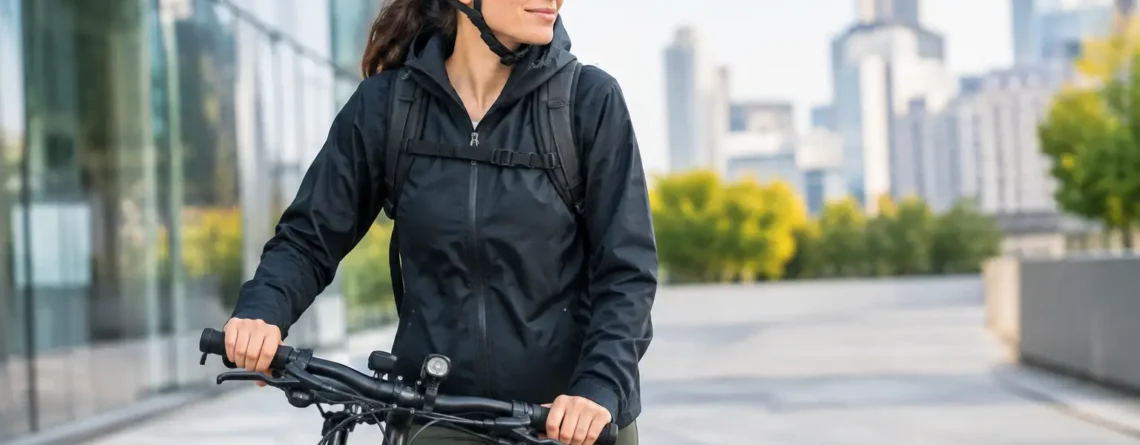
The ride can feel brilliant right up until you arrive with a sweaty back, a flat tyre or rain-soaked work gear. The right cycling accessories for commuting solve those everyday frustrations without turning your bike into a rolling hardware store. Choose gear that makes each trip safer, drier, easier to carry and simpler to repeat.
Start with the accessories that protect your ride
A properly fitted, Australian-standard helmet is the first piece of kit to sort. It needs to sit level on your head, feel secure when you shake your head and have straps that sit comfortably beneath your ears. If it is old, cracked or has taken a significant knock, replace it. A helmet only does its job once.
Lights are just as essential, including on bright mornings. Australian drivers, pedestrians and other riders need to see you early, especially at intersections, on tree-lined streets and when the weather closes in. Use a white front light and red rear light, and choose models with a daytime flash mode if you regularly ride in traffic. USB-rechargeable lights make sense for most commuters, but only if you build charging into your routine. A flat light in your desk drawer will not help on the trip home.
A bell is a small addition with a big payoff on shared paths. A clear ring gives walkers and slower riders notice without forcing a last-second swerve or an awkward shout. It is courteous, practical and worth having.
Cycling accessories for commuting in changing weather
Australian weather can make a mockery of the morning forecast. A clear ride to work may turn into a wet, windy dash home, while summer heat can leave you overheated before the first meeting. Prepare for the conditions you are likely to face, not the conditions you hope for.
Mudguards are one of the best upgrades for regular commuting. They reduce spray from wet roads and puddles, helping keep your back, shoes and bike cleaner. Full-length mudguards offer more coverage, while clip-on styles can suit bikes with limited mounting points. The trade-off is simple: fitted guards are usually more effective, but removable guards are more flexible if your bike does double duty for weekend rides.
A lightweight waterproof jacket belongs in a pannier or bag through the wetter months. Look for a packable design that does not take over your storage space, plus enough room to layer over your work clothes. Breathability matters too. A jacket that keeps rain out but traps all your heat can still leave you uncomfortable.
For cooler starts, gloves improve grip and take the sting out of the handlebars. In summer, a sweat-wicking cap or thin headwear under your helmet can help manage glare and sweat. Sunglasses with clear or low-light lenses are useful for early starts, wind and flying grit, but do not choose dark lenses for rides that finish after sunset.
Carry your gear without carrying the pain
A backpack is convenient, especially for shorter rides, but it can quickly become hot and uncomfortable. If you carry a laptop, lunch, change of clothes and a water bottle, moving the load off your body makes a noticeable difference.
A rear rack and pannier setup is the practical choice for many commuters. It keeps weight low, protects your shoulders and leaves room for the things that make a workday run smoothly. A pannier with a secure mounting system and a separate padded sleeve for electronics is worth considering if you ride on rough paths or uneven roads. For wet-weather reliability, use a waterproof pannier or place your essentials inside a dry bag.
A basket can work beautifully for lighter, casual loads such as groceries or a small gym bag. Just make sure it is firmly mounted and does not interfere with steering or lights. For a compact option, a frame bag or saddle bag carries the basics without changing how your bike handles.
Whatever you choose, avoid hanging loose bags from your handlebars. They can affect steering, swing into the front wheel or catch on cables at exactly the wrong moment.
Lock up with your parking spot in mind
Your lock should match where and how long you leave the bike. A quick stop outside a café is different from all-day parking at a station or office building. For regular public parking, a quality D-lock or sturdy chain lock offers better resistance than a lightweight cable on its own.
Lock the frame to a fixed object first, then secure a wheel if your lock length allows. If your bike has quick-release wheels, a second lock or locking skewers can provide extra peace of mind. It is also smart to remove easily detachable lights, pumps and bags before you walk away.
Heavier locks are less fun to carry, but a lock that stays at home is no security at all. Some riders attach a mount to the frame; others leave a lock at their regular destination. Find a system that fits your routine and you will use it consistently.
Keep a compact kit for the unexpected
A commute does not need a full workshop, but it does need a basic recovery plan. A puncture repair kit, spare tube, tyre levers and compact pump or CO2 inflator can turn a stranded afternoon into a short delay. Add a small multi-tool for loose bolts, saddle adjustments and minor on-road fixes.
A spare tube is often faster than patching a tube beside a busy road, particularly when you are heading to work or racing daylight. That said, carry what you know how to use. Spend ten minutes at home learning to remove a wheel, find a puncture and refit a tyre. Confidence is one of the most useful commuting accessories you can build.
For riders covering longer distances, a small first-aid pouch and emergency contact details are sensible additions. They take up little room and are easy to forget until they matter.
Add comfort where it changes your routine
Comfort accessories are not indulgent if they help you ride more often. A good water bottle and cage are essential in warm conditions, while padded cycling gloves can reduce pressure on longer trips. If your route includes rough paths, a properly adjusted saddle and tyre pressure will often improve comfort more than buying another gadget.
A secure mobile mount can be useful for navigation, especially when testing a new route. Set your directions before moving and keep your attention on traffic, not the screen. A mount should make navigation easier, never become a distraction.
If you arrive at work without shower facilities, consider the simple things that make the transition easier: a small towel, deodorant, wipes and a change of shirt packed in a separate bag. Commuting by bike should fit your day, not create extra stress before it begins.
Build your setup around your actual commute
There is no single perfect commuter bike kit. A five-kilometre ride on quiet suburban streets needs less gear than a 20-kilometre trip through traffic, exposed paths and unpredictable weather. Start with a helmet, lights, lock and basic repair kit. Then add carrying capacity, mudguards and weather protection as your routine demands.
For a short daytime ride, visibility and a reliable lock may be the biggest priorities. For longer rides, panniers, hydration and comfort become more valuable. If you ride before dawn or after dark, spend more on dependable lighting before adding less critical extras.
At 4Sports, the focus is on practical performance gear that supports consistent training and active routines without pushing your budget too far. Choose accessories that will be used week after week, rather than loading up on gear that sounds clever but stays in the cupboard.
Your commute is not a race, but the right setup can make it feel like a win. Pack smart, stay visible and give yourself the gear to enjoy the ride home as much as the ride in.