

August 6, 2026
Do Resistance Bands Work for Strength and Fitness?
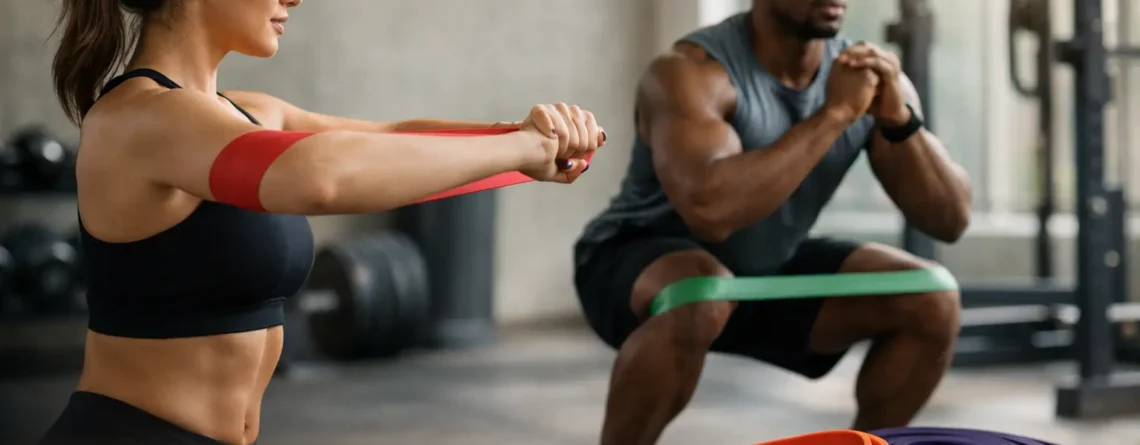
The workout you can fit in a gym bag is often the workout that actually gets done. But do resistance bands work when your goal is real strength, better fitness or stronger sport performance? Yes – provided you use the right level of resistance, train with intent and keep progressing. Bands are not a gimmick or a substitute for effort. They are a practical training tool that can challenge muscles, support recovery and make consistent sessions far easier to fit around work, family and training.
For runners, swimmers, cyclists, gym-goers and anyone building a stronger body without filling the spare room with equipment, resistance bands offer serious value. They are light, affordable and ready for a session at home, in a park, beside the pool or while travelling.
Do resistance bands work for building muscle?
Muscles do not know whether resistance comes from a dumbbell, cable machine, bodyweight movement or band. They respond to tension, effort and recovery. If a band exercise is difficult enough that you are working close to fatigue with good form, it can help build muscle and strength.
A band’s tension increases as it stretches. This means the movement can feel easier at the starting position and tougher near the end. For many exercises, that matches the way your body naturally produces force. A banded squat, glute bridge or chest press can create a strong challenge when the muscles are shortened and working hard.
The catch is progression. A light band that lets you complete 30 easy repetitions will not keep delivering results for long. To continue improving, increase the band resistance, add repetitions, slow the lowering phase, use a greater range of motion or choose a harder variation. Training has to become more demanding over time.
For beginners and people returning after time away, this can be enough to make noticeable changes in strength, muscle tone and confidence. More experienced lifters can use bands to add volume, improve a weak point, warm up properly or make a simple home workout more challenging.
Where bands are strongest
Resistance bands shine when you need adaptable training. They work brilliantly for rows, presses, pull-aparts, lateral walks, tricep extensions, bicep curls, shoulder rotations, squats, deadlifts and glute work. They are also useful for mobility drills and activation exercises before a heavier gym session.
They are especially good at training smaller stabilising muscles that are easy to skip. Strong shoulders matter for swimmers. Strong glutes and hips help runners and cyclists maintain control when fatigue builds. A few well-chosen band movements can support better positions in your main sport.
Where bands have limits
Bands can build strength, but they are not magic. If your goal is maximum powerlifting strength or moving very heavy loads, barbells and weight machines make it easier to measure and progressively load bigger numbers. The resistance from a band also changes throughout the movement, which some athletes love and others may find less consistent.
That does not make bands less worthwhile. It simply means they suit a different job. Think of them as a flexible way to train hard, not as a reason to abandon every other piece of equipment you enjoy using.
How to make resistance band training effective
The best resistance band workout is not the one with the most exercises. It is the one you can repeat consistently while making it harder over time. Start with two or three sessions each week, leaving at least a day between training the same muscles hard.
Choose movements that cover the major patterns: a squat or split squat for legs, a hip hinge or glute bridge for posterior chain strength, a push such as a chest press or overhead press, and a pull such as a row. Add targeted work for the shoulders, core or hips according to your sport and goals.
Aim for controlled sets where the last few repetitions feel challenging but do not turn into a scramble. For most people, eight to 20 repetitions per set is a useful range. If you can easily exceed that with clean technique, the band is probably too light or the exercise needs adjusting.
Keep the tension on the band where possible. A slow return phase makes a major difference, particularly with rows, presses and curls. Rushing through repetitions reduces the work your muscles need to do and can make the session feel easier than it should.
You also need a reliable anchor point for exercises such as rows, chest presses and pulldowns. Use equipment designed for the job or a very secure fixed point. Never attach a band to something unstable, sharp or likely to move. Before each session, check the band for tears, cracking or worn sections.
Bands for sport-specific training
Resistance bands are not only for home workouts. They can be a smart addition to a broader training plan for active Australians.
Swimmers can use light bands for shoulder external rotations, rows and controlled pulldown patterns to strengthen the upper back and support shoulder health. These movements will not replace pool time, but they can reinforce better posture and help prepare the body for repeated strokes.
Runners can target glutes, calves and hips with lateral band walks, split squats and hip hinges. Better hip control can support steadier knee tracking and a more stable stride, particularly as fatigue sets in late in a run.
Cyclists can benefit from glute bridges, banded squats and rows to balance the forward, seated position many riders spend hours in. Core and upper-back strength can make it easier to stay comfortable and controlled on longer rides.
For boxing and functional fitness, bands can build pressing, pulling and rotational strength. Keep the movements controlled rather than trying to throw fast punches against heavy resistance. Speed training needs good technique and should not pull your joints into awkward positions.
A simple full-body band session
If you are starting from scratch, keep it simple. After a quick warm-up, perform banded squats, standing rows, chest presses, glute bridges and overhead presses. Complete two or three sets of each movement, with enough repetitions to make the final few feel tough while staying in control.
Once that session feels manageable, add a split squat, a stronger band, another set or slower repetitions. Small changes add up. Record what band you used and how many quality reps you completed so you are not guessing whether you are progressing.
Your form matters more than forcing a heavier band. Keep your ribs down during presses, avoid shrugging your shoulders during rows, and move through a comfortable range. A little tension in the right place beats a lot of tension with poor positioning.
Are resistance bands worth buying?
For most people, absolutely. Bands are among the best-value pieces of fitness equipment because they take up almost no room and cover a huge range of exercises. They make it easier to train when the gym is busy, the weather is ordinary or you only have 20 minutes before the day gets away from you.
A set with varied resistance levels gives you more options as your strength improves. Lighter bands suit warm-ups, shoulder work and mobility. Heavier bands are better for lower-body exercises, rows and presses. Quality matters too: a durable band that feels secure and holds its tension is worth choosing over the cheapest option you can find.
At 4Sports, practical training gear is about helping more Australians keep moving without overspending. Whether you are rebuilding a routine, adding a quick strength session to your endurance training or setting up a simple home space, bands can earn their place in your kit.
The real advantage is not that resistance bands make training effortless. It is that they remove excuses. Pick a resistance that challenges you, practise the basics, and keep showing up. Your next strong session can start wherever you have enough room to stretch a band.