

October 5, 2026
How to Choose a Change Robe for Swimming
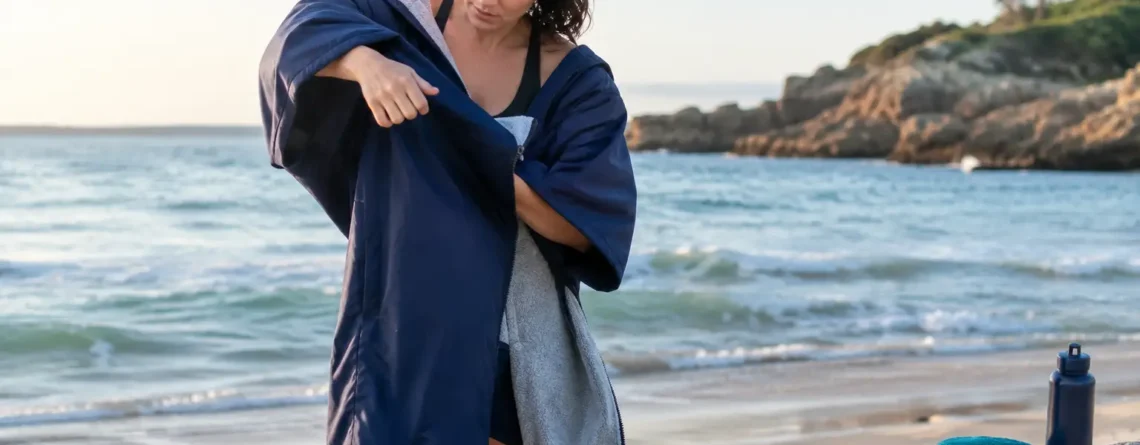
That shivery walk from the pool to the car is usually when a change robe starts making sense. You have finished an early squad session, your towel is already soaked through, and trying to pull trackies over damp legs in a cramped change room feels like an unnecessary test of character. Working out how to choose a change robe comes down to where you train, how long you stay wet, and whether you need it to work as a proper warm outer layer or simply a private place to get changed.
A good change robe is useful gear, not a mandatory badge of open-water-sport membership. If you swim at an indoor pool, have warm change rooms and head straight home, a large towel may still do the job. But for open-water swimmers, triathletes, surfers, junior sport parents, and anyone regularly standing around on cold pool decks, it can make the post-session routine much less grim.
Start with where and when you will use it
Think about your normal training morning, rather than the coldest day you can imagine. An insulated, weather-resistant robe earns its keep when you are changing beside a lake, beach or outdoor pool, waiting for a race briefing, packing up after a winter session, or supervising kids while still damp yourself. Melbourne weather is particularly good at making a mild morning feel less mild once you are wet.
For lap swimmers using a heated indoor facility, the need is different. You may mainly want coverage while changing, somewhere to put your arms while you dry off, and enough warmth for the car park. A lighter towel robe or poncho-style option can be easier to carry and quicker to wash. Paying for a heavily insulated outer layer you rarely use is a bit like buying race wheels for the occasional ride to the bakery – nice, perhaps, but not always the sensible first purchase.
Triathletes should also consider the waiting time around training and events. A robe is handy before an open-water practice when you are trying to stay warm without wearing your race gear too early. Afterward, it gives you space to get out of a wetsuit and into dry clothes without doing the awkward towel shuffle in a windy car park.
How to choose a change robe by warmth and weather protection
The outer fabric and lining do different jobs. The outer layer is there to block wind and shed light rain or spray. The lining provides warmth and helps manage moisture when you pull the robe on over wet swimmers or a wetsuit. You want both if your sessions regularly involve cold wind, winter rain or exposed shorelines.
Do not assume every robe with a smooth shell is fully waterproof. Water-resistant fabric is often enough for walking from the water to the car or standing through a brief shower. If you regularly spectate at outdoor sport, coach from poolside, or spend long periods in wet conditions, check the product details for the level of weather protection rather than relying on the look of the fabric.
A thick fleece-style lining feels cosy, especially after open-water swimming. The trade-off is bulk. It takes up more room in a swim bag, can be heavier when damp, and may be too warm for Queensland summer mornings or a busy indoor pool. A lighter-lined robe is more versatile through the year, but it will not provide the same comfort on a cold, windy Victorian dawn.
Breathability matters too, although it is often misunderstood. You are not buying a change robe to run intervals in. What you want is a robe that does not feel clammy while you are standing around wet, changing or walking back to the car. If you tend to overheat easily, avoid choosing the warmest option by default.
Get the fit right: roomy, not enormous
A change robe needs enough room to change underneath it. That sounds obvious, but it is the reason the fit should be looser than a jacket. You need to lift your arms, pull off wet bathers, step into shorts and possibly wrestle a wetsuit down past your ankles. A robe that fits neatly like a coat may look tidy but can be hopeless for its actual job.
At the same time, bigger is not automatically better. An overly long robe can drag on wet ground, get caught under your feet while changing, and feel cumbersome walking from the beach. Check the garment measurements, especially length and width, rather than choosing only by your usual T-shirt size. If you are between sizes, choose based on whether changing underneath is your main use or whether you want a more everyday outer layer.
For children and teenagers, leave enough room for growth and changing, but avoid a robe so long that it becomes a trip hazard around pool decks. Parents know the routine: wet feet, thongs, bags, goggles and one child suddenly needing a snack. Simple is good.
Sleeves, zips and bonnets are practical details
Long sleeves add warmth, but make sure you can still get your hands in and out easily when the robe is wet. Wide sleeve openings or adjustable cuffs can help, particularly if you are pulling it on over a wetsuit. A full front zip makes it easier to put on and take off, while a two-way zip can give you more room around the legs when sitting or changing.
A bonnet is worth having for exposed conditions. It is not glamorous, but neither is standing around with wet hair in a southerly. Look for a bonnet that sits comfortably without blocking your view when you are walking near roads, car parks or event areas.
Pockets, drying time and the unglamorous bits
Pockets are one of those features you barely think about until you do not have them. They are useful for a mobile, car key, goggles or a snack while your hands are cold. Zip pockets offer more security, especially when you are moving between the beach and the car. Just do not treat any pocket as a substitute for a proper dry bag if you are carrying electronics in wet conditions.
Consider how you will store the robe after use. Even a well-made change robe will need drying before its next outing. If it is going straight into the back of the car after every session, choose something you can realistically hang up at home. Leaving wet gear in a sealed bag for days is a reliable way to create a smell that nobody in the household will enjoy.
A darker colour can be more forgiving around muddy shorelines, grass verges and grubby poolside benches. Lighter colours are perfectly fine if you prefer them, but they will show the evidence of Saturday morning sport faster. Check the care instructions as well. Some fabrics need gentler washing and lower heat drying to keep their water-repellent finish in good condition.
Do you need a change robe or will a towel poncho do?
A towel poncho is often enough for warm-weather swimming, beach days and junior lessons. It is usually lighter, simpler and easier to pack. If you mostly need modesty while changing and a way to dry off, it is the practical choice.
A lined change robe is better suited to regular outdoor use in cooler conditions. It gives you warmth after the water, more protection from wind, and a more useful layer before and after training. Neither option makes you a more committed swimmer. Choose the one that fixes the problem you actually have.
If your budget is tight, put essential swim gear first: comfortable goggles that seal well, a suitable cap where needed, and a towel that is not already on its last thread. Add a change robe once cold mornings, open-water sessions or wet changing are becoming a regular part of your week. That is usually a better order than buying every accessory before your first triathlon.
A quick check before you buy
Before settling on a robe, picture yourself using it after your most common session. Can you change underneath it without a balancing act? Will it be warm enough for the conditions you face? Can you fit it in your bag or car? And will you actually dry and care for it between uses?
If the answer is yes, you do not need a fancy logo or a pile of features you will never touch. The right change robe is the one you reach for on those cold, damp mornings, then wonder why you spent so long pretending a soggy towel was enough.