

July 21, 2026
Triathlon Essentials for Beginners: Start Strong
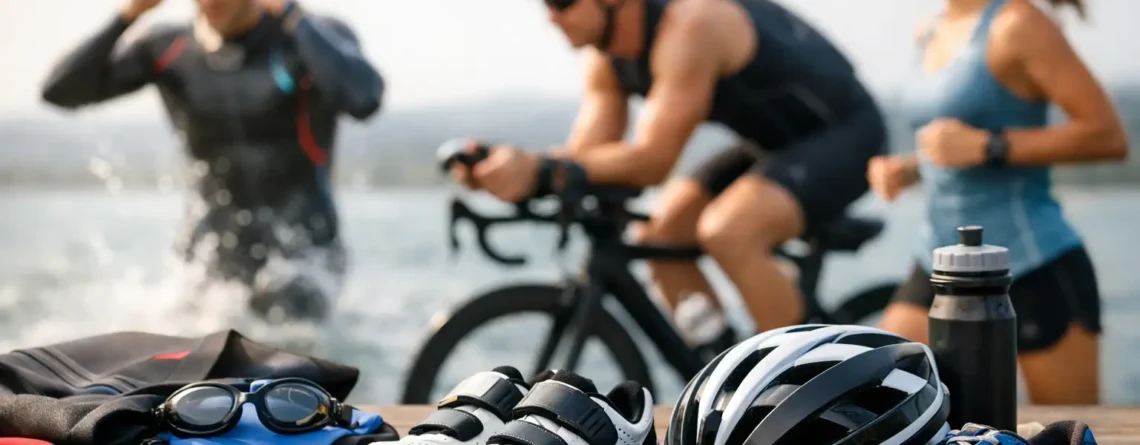
The first triathlon starts long before the starting horn. It starts with the moments that make new athletes hesitate: goggles fogging halfway through a pool set, a bike tyre losing pressure before a ride, or a run that feels rough because you forgot water. The right triathlon essentials for beginners remove those distractions, so your energy goes into training, learning and enjoying race day.
You do not need a garage full of premium gear to finish a sprint triathlon. You need reliable basics that work across swimming, cycling and running, fit properly, and can handle regular training. Start there. Add specialised equipment only when your routine, race goals and confidence grow.
Triathlon essentials for beginners: build the right kit
A triathlon is three sports, but buying for three sports at once can get expensive fast. The smart approach is to prioritise the equipment that affects comfort, safety and consistency. A good pair of goggles, a secure helmet and supportive running shoes will do more for your sessions than flashy upgrades ever will.
Before you shop, check your race information. A pool-based swim calls for different planning than an open-water event. Some races are wetsuit legal, some are not. Most beginner events allow a standard road bike, hybrid bike or mountain bike, provided it is safe and roadworthy. You do not need a time trial bike to belong on the start line.
Think of your kit in two categories: essentials you need to train and race safely, then useful extras that make the day easier. This keeps the budget focused and avoids buying gear that spends more time in a drawer than in your training bag.
Swim gear: confidence starts in the water
Swimming is often the most intimidating leg for first-time triathletes, particularly if the race is in open water. Consistent pool sessions and familiar gear help settle those nerves.
Start with goggles that seal comfortably around your eyes without needing to be painfully tight. Try them on before committing to a long session. Clear lenses suit low-light indoor pools, while tinted or mirrored lenses can be helpful outdoors under the Australian sun. Keep a spare pair in your bag if race day matters to you. Goggles are small, easy to lose and difficult to replace at the last minute.
For training, a swim cap, towel and comfortable swimmers are the basics. A silicone cap generally lasts longer and grips better than thin latex, while a quick-drying towel makes early pool sessions less of a hassle. If you plan to build technique, a pull buoy and silicone fins are useful additions. A pull buoy lets you focus on body position and upper-body pull, while fins help develop a stronger kick and give you a little extra speed as you learn.
Open-water preparation may call for a wetsuit, depending on water temperature and race rules. A wetsuit can add warmth and buoyancy, which many beginners find reassuring. But it is not automatic. If your event is warm, short or non-wetsuit legal, spending on one may not be the best first move. Practise swimming in any wetsuit before race day, because the fit around your shoulders and neck makes a real difference.
Bike gear: safety first, speed later
The bike leg is where gear choices can feel overwhelming. Carbon frames, clip-on bars, aero wheels and electronic shifting all have their place, but they are not beginner essentials. A properly maintained bike that fits you reasonably well is.
Your first priority is a helmet that meets Australian safety standards and sits snugly without rocking. Replace a helmet after a significant impact, even if it looks fine. Cycling gloves are optional, but they can reduce hand fatigue and protect your palms if you come off. Padded cycling shorts are not strictly required, though they are one of the most worthwhile comfort upgrades for longer rides.
Your bike should have working brakes, tyres in good condition and a chain that shifts without skipping. If you are unsure, book a basic service before training ramps up. Learning simple roadside fixes also builds independence. Carry a spare tube, tyre levers, a compact pump or CO2 inflator, and a multi-tool on every ride. A flat tyre is normal cycling business, not a disaster, if you have the right gear and know what to do.
A water bottle and bottle cage are essential once rides move beyond a quick spin around the block. For longer sessions, take more fluid than you think you will need, especially in summer. You can improve your bike later. First, make it safe, comfortable and ready to roll.
Run gear: protect your most reliable discipline
Running is simple, but poor footwear can make it uncomfortable quickly. Choose running shoes that feel stable and comfortable from the first jog. The best shoe is not necessarily the most expensive one or the pair with the boldest marketing. It is the one that suits your feet, your running style and the distance you are building towards.
Avoid racing in brand-new shoes. Break them in during several shorter runs and make sure socks do not bunch or rub. Technical running socks are a practical investment because wet feet, sand and repeated movement can create blisters fast. If you are training in exposed conditions, add a cap or visor, sunscreen and sunglasses that stay put when you sweat.
For a sprint-distance event, you may not need to carry much during the run. However, if your training runs stretch longer or the weather is hot, a small hydration option can be useful. Test it in training. Race day is not the time to discover that a belt bounces or a bottle is awkward to hold.
The race-day essentials people forget
A calm transition is built the night before. Lay out your gear in the order you will use it, then check it again. Your race bag should include race instructions, photo identification if required, nutrition you have already tested, fluids, sunscreen and a change of clothes for afterwards.
For the transition area, you will need your helmet, bike, shoes and race number setup. Many events require the helmet to be fastened before you touch or remove the bike from the rack, so make it the first item you see. Elastic laces can make run-shoe changes quicker, but regular laces are completely fine if you have practised using them with tired hands.
Do not forget anti-chafing balm, a small towel and a rubbish bag or plastic bag for wet swim gear. The towel gives you a defined space in transition and makes it easier to spot your shoes. The bag keeps everything else from soaking the car on the way home. These are not glamorous purchases, but they are the kind of details that make a first race feel organised.
Train with your gear before you race
The biggest beginner mistake is treating equipment as something to save for race day. Wear your goggles, socks, shorts and shoes in training. Practise drinking from your bike bottle while riding. Learn how your helmet buckle works without looking at it. Complete a short brick session, where you ride then run immediately afterwards, to get used to the strange heavy-leg feeling.
Nutrition follows the same rule. If you want an electrolyte drink, gel or snack during your event, trial it on a training day first. Some athletes need fuel even for a sprint event, while others are comfortable with a good pre-race meal and water. It depends on your race duration, intensity, temperature and stomach. Familiar is always better than fashionable.
Spend where it counts
Beginners do not need to buy everything at once. Put your money into safety, fit and repeat use: goggles that do not leak, a compliant helmet, functional bike repair gear and running shoes that feel good. Training accessories such as fins, pull buoys, towels and a dependable sports bag can make regular sessions easier to maintain without stretching the budget.
For Australian athletes, locally held gear can also take some pressure out of pre-race preparation. 4Sports makes it easier to find practical swim, cycling, running and training essentials without paying elite-level prices for every item.
Your first triathlon kit should make you feel prepared, not over-equipped. Set out your basics, practise with them often, and keep showing up. Where endurance meets triumph, the next session is always the one that counts.