

June 21, 2026
Triathlon Swim Training Gear That Pulls Its Weight
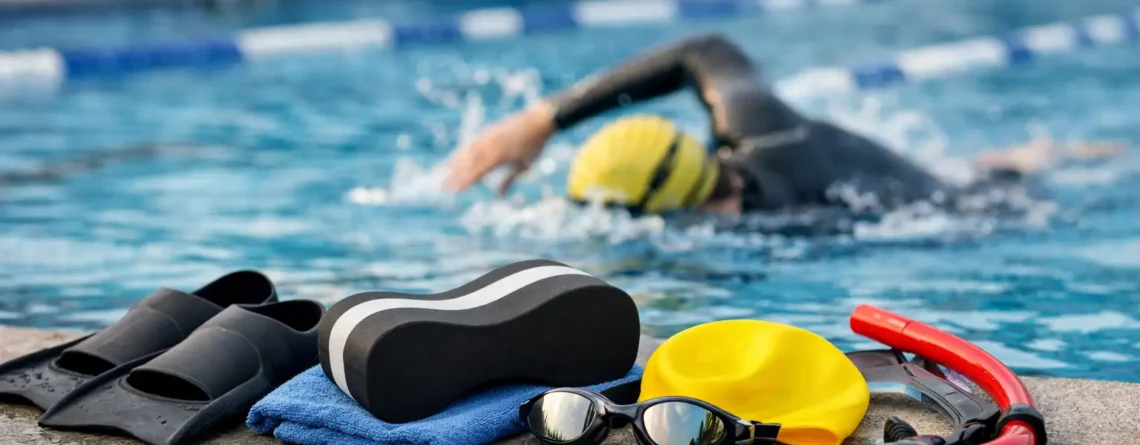
The fastest way to waste a swim session is turning up with the wrong kit. Not because you need a mountain of accessories, but because good triathlon swim training gear can sharpen the exact skills that matter – body position, pull strength, kick control and comfort in the water. Get the basics right, and every lap starts working harder for you.
Triathlon swimmers sit in a different lane mentally. You are not chasing a perfect pool split for its own sake. You are training to exit the water composed, efficient and ready to ride. That changes what gear is actually useful. The best setup is not the most expensive one. It is the gear you will use consistently, with a clear job in your program.
What triathlon swim training gear is really for
Pool toys get a bad rap when they become a distraction. That usually happens when swimmers buy gear before they understand the purpose. In triathlon, each piece should solve a problem. If your legs sink, you need help learning better alignment. If your catch slips, you need feedback and resistance. If open water feels chaotic, you need sessions that build confidence, not just fitness.
That is why practical gear matters. It helps you isolate weaknesses without overcomplicating training. For beginner and intermediate triathletes, that can mean faster improvement at a much lower cost than endless trial and error.
Start with the essentials
A few items do most of the heavy lifting. Goggles are first. Comfort matters more than hype. If they leak, fog constantly or leave you adjusting every second lap, they are costing you focus. A good training pair should seal well, feel stable off the wall and give clear vision under indoor and outdoor light. Some swimmers like a lower-profile fit, while others prefer a slightly larger lens for a less cramped feel. It depends on your face shape more than the brand on the strap.
A reliable swim cap is not glamorous, but it helps with drag, comfort and keeping hair out of the way. Silicone caps usually last longer and feel a bit sturdier than latex. For regular training, that extra durability is worth it.
Then there is the towel and the bag. These are not performance tools in the strict sense, but they affect routine. A quick-dry towel and a gym bag with enough room for wet gear make it easier to train before work, after work or between sessions. Convenience is underrated. If your kit is easy to pack, carry and dry, you will train more consistently.
The most useful gear for better swim mechanics
Pull buoys for body position and upper-body focus
Pull buoys earn their place in triathlon. They help lift the hips and legs so you can focus on the pull phase, breathing rhythm and alignment. They are especially useful for athletes coming from running or cycling, where tight hips and tired legs can make a balanced swim position harder to hold.
That said, there is a trade-off. A pull buoy can mask poor technique if you rely on it too often. It is a training aid, not a shortcut. Use it to reinforce good position, then carry that feeling back into normal swimming.
Silicone fins for kick timing and feel
Fins are one of the best tools for developing a better feel for the water. Short silicone fins can help improve ankle flexibility, kick rhythm and body line. They also let you hold a little more speed during drills, which makes technical work easier to feel.
For triathletes, the goal is not building a huge pool-sprinter kick. Your kick needs to support balance and timing without burning through the legs you will need later on the bike and run. Fins are useful because they teach connection, not just power. Keep that distinction in mind.
Paddles for strength, with a warning label
Hand paddles can build specific swim strength and expose flaws in the catch. If your hand enters awkwardly or slips under pressure, paddles make it obvious. Used well, they help you hold water more effectively and develop a stronger pull.
Used badly, they can irritate shoulders in a hurry. If you are newer to structured swim training, start small. Short sets, good form, no ego. If your stroke falls apart the second the paddles go on, that is a sign to scale back and fix technique first.
Triathlon swim training gear for open-water confidence
Pool fitness alone does not always carry over to race day. Open water adds chop, sighting, contact and nerves. The right training gear cannot fully recreate those conditions, but it can make you more adaptable.
Tinted or mirrored goggles are worth considering if you train outdoors or race in bright conditions. Clear lenses still make sense for darker indoor pools, early mornings or low-light sessions, so many triathletes end up keeping more than one pair. That is not overkill. It is practical.
A parka or deck coat also matters more than many people realise, especially through cooler months. Staying warm before and after a session helps you recover better and makes winter training less of a battle. If your options are train cold and miserable or stay home, the extra layer becomes performance gear pretty quickly.
How to choose gear without overspending
This is where plenty of athletes get caught. They buy too much, too early, or they chase top-shelf gear when dependable basics would do the job. Smart buying starts with frequency. If you are swimming once a week, you probably do not need every accessory under the sun. If you are in the pool three or four times a week, comfort and durability become a lot more important.
Think in stages. First, sort the non-negotiables: goggles, cap, towel and a bag that handles wet gear properly. Next, add one or two training aids that match your biggest weakness. A pull buoy for position. Fins for kick timing. Paddles later, once your stroke has more control.
That approach keeps spending focused. It also stops your swim bag turning into a graveyard of barely used gadgets.
For value-conscious athletes, local stock can make a real difference too. If you need to replace a cracked goggle strap, worn cap or missing buoy quickly, buying from an Australian retailer with local fulfilment is simply easier. Less guesswork, faster turnaround, and support that matches your time zone.
Building a gear setup that matches your training
If you are new to triathlon swimming
Keep it simple. Start with comfort and confidence. Leaky goggles, a flimsy cap and no proper bag can make training feel harder than it needs to. Add fins or a pull buoy once you are swimming regularly and know what you are trying to improve.
If you are training consistently
This is where gear starts earning real value. You can rotate tools across sessions instead of throwing everything into one workout. One day might be buoy work and aerobic pulling. Another might use fins for drill sets and speed support. The point is purpose. Each item should help deliver a clear result.
If you are racing more often
Race-focused swimmers should think about transfer. Which pieces actually help you swim straighter, stay calmer and hold form when tired? Sometimes the answer is not more resistance or more kit. Sometimes it is simply having goggles you trust, enough gear to train through all conditions, and a routine that feels repeatable.
Common mistakes with triathlon swim training gear
One of the biggest mistakes is relying on aids to prop up weak habits. If you always swim with a pull buoy, your natural body position may never improve. If you always use fins, your kick timing without them may stay underdeveloped. Gear should teach, not babysit.
The second mistake is choosing discomfort because it looked fast on paper. Tight goggles that leave you with a headache are not high performance. Neither are paddles that strain your shoulders or fins that rub your feet raw. If gear distracts you from training, it is not doing its job.
The third mistake is buying random pieces instead of building a system. Your swim setup should fit into your broader triathlon week. It should be easy to grab, easy to use and easy to recover from. That matters more than having a flashy bag full of extras.
The best gear is the gear you will actually use
There is a simple test for any swim accessory. Does it help you train better, more often, with more purpose? If yes, it is worth considering. If not, leave it on the shelf.
That is why affordable, dependable gear matters. Most triathletes are balancing work, family, training and race plans without unlimited time or budget. You do not need elite-only pricing to get quality equipment that supports real progress. At 4Sports, that practical middle ground is the point – performance-focused gear that helps you keep moving without blowing the budget.
Train smart. Keep your setup simple. Let each piece of gear earn its place, and the water starts feeling a lot less like something to survive and a lot more like your first advantage on race day.