

August 14, 2026
Why Do Swim Goggles Fog? Causes and Fast Fixes
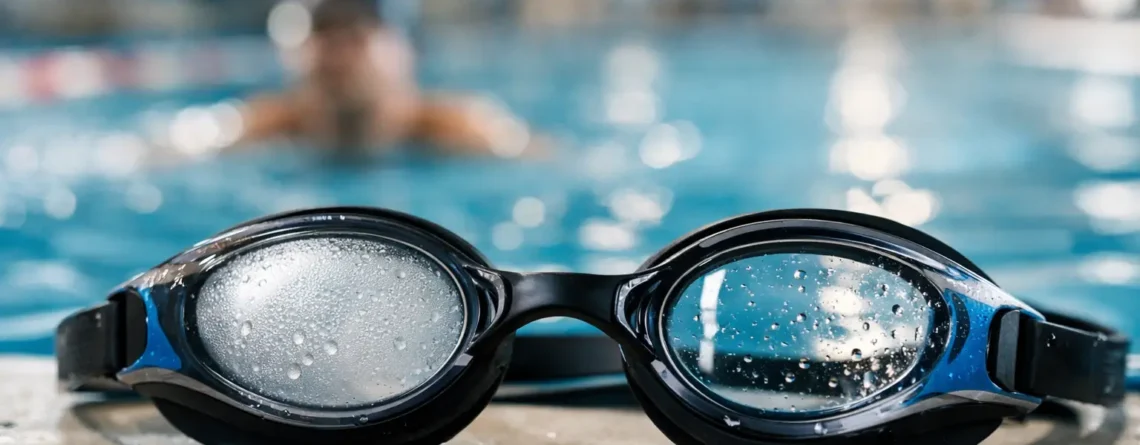
The first few laps should be about finding your rhythm, not swimming half-blind towards the lane rope. So, why do swim goggles fog? It usually comes down to warm, moist air from your face meeting a cooler lens. That simple bit of science can turn a clear pool session into a frustrating stop-start effort.
Fogging is common, but it is not something you simply have to put up with. A good pair of goggles, sensible care and a quick pre-swim routine can keep your vision clearer for longer. Whether you are building fitness, working on your freestyle or preparing for a triathlon, clear lenses help you train with confidence.
Why Do Swim Goggles Fog in the First Place?
Your skin and breath create heat and moisture inside the goggle cups. When that warm air touches the relatively cool inner surface of the lens, tiny droplets of condensation form. Those droplets scatter light, creating the cloudy layer you see as fog.
The effect is often stronger when the pool water is cool, when you have just warmed up, or when you are training hard enough to breathe heavily. It can also happen during an open-water swim, particularly early in the morning when the air and water temperature are lower than your body temperature.
Modern goggles are usually made with an anti-fog treatment on the inside of the lens. This coating does not stop moisture appearing altogether. Instead, it helps moisture spread into a thin, more transparent film rather than forming visible droplets. Once the coating wears away or gets damaged, fogging becomes much more likely.
The Most Common Reasons Goggles Start Fogging
The biggest culprit is often the anti-fog coating itself. It is delicate. Rubbing the inside of your lenses with your fingers, towel, shirt or a rough cloth can strip it away surprisingly quickly. Even a quick wipe between sets can do damage, especially when sand, sunscreen or pool chemicals are involved.
Poor fit can add to the problem. Goggles do not need to be painfully tight, but they should create a reliable seal around your eyes. If they leak, you may take them off repeatedly to empty water or adjust the strap. Every time you handle the inside of the lenses, you increase the chance of transferring oils and wearing down the coating.
Residue matters too. Sunscreen, moisturiser, face wash and hair products can leave a film on the lens. Chlorine and saltwater also take their toll over time. If your goggles live loose in the bottom of a wet swim bag, they can collect grime, get scratched and deteriorate faster.
Finally, goggles are not permanent equipment. An affordable pair can still perform brilliantly, but the lens treatment will eventually fade with regular use. Frequent squad swimmers may notice this sooner than someone swimming once a fortnight.
How to Stop Swim Goggles Fogging Before Training
Start by keeping the inside of new goggles untouched. It is tempting to wipe away a drop of water or inspect the lens with a thumb, but avoid it. Adjust the straps from the outside and only handle the frame where possible.
Before getting in the pool, rinse the goggles gently with clean fresh water. Let excess water run off rather than wiping the lenses dry. A light film of clean water can help, and this simple habit also removes dust picked up on the way to the pool.
If the factory coating is no longer doing its job, use a purpose-made anti-fog spray or drops designed for swim goggles. Apply it exactly as directed, because products vary. Most need a small amount spread around the inside of each lens, followed by a light rinse. Too much product or too much rinsing can reduce the benefit.
Anti-fog products are a practical option for regular swimmers because they let you extend the useful life of a pair you already like. They are not magic, though. If the lenses are deeply scratched, warped or permanently cloudy, replacement is usually the better move.
Some swimmers use saliva as a quick anti-fog fix. It can work temporarily because it acts like a mild surfactant, helping water spread across the lens. But it is less hygienic in shared pool environments, unreliable over longer sessions and not ideal if you are racing or swimming with kids. A proper anti-fog treatment is the cleaner, more consistent choice.
Avoid These Goggles-Fogging Mistakes
Do not use toothpaste, shampoo, dishwashing liquid or household cleaners on your goggles. These internet fixes can be too abrasive or leave residue that irritates your eyes. They may also damage lens coatings, seals and tinted finishes.
Avoid wiping the inside of the lenses while swimming. If your goggles fog mid-set, rinse them in the pool and gently shake off the water rather than rubbing. It may not completely restore the view, but it is kinder to the remaining anti-fog layer.
Also resist leaving your goggles in direct sun, on a hot car dashboard or at the bottom of a damp bag for days. Heat can affect the frame and seals, while trapped moisture encourages grime to build up. After a swim, rinse them in fresh water and allow them to air-dry out of direct sunlight.
A hard case is worth considering if your goggles travel to the pool with fins, paddles, towels and other gear. It protects the lenses from scratches and stops the straps from becoming tangled. Small habits like this make a real difference across a season of training.
A Better Goggle Fit Can Mean Clearer Lenses
Fit is not just about preventing leaks. Comfortable, stable goggles mean fewer mid-session adjustments and less temptation to touch the lenses. Place the cups over your eyes before pulling the strap into position. They should sit with a light suction seal before the strap does all the work.
If the goggles leave deep marks, trigger headaches or need to be pulled extremely tight to stay on, try a different nose bridge setting or a different frame shape. Faces vary, and a pair that suits your training partner may not suit you. Many goggles include interchangeable nose bridges for this reason.
For pool laps, a low-profile goggle can feel secure and reduce drag. For recreational swimming or triathlon training, you may prefer a wider lens and a more forgiving seal. The best choice depends on where you swim, how long you are in the water and how much peripheral vision you want. Comfort is performance when it helps you stay focused on the session.
When It Is Time to Replace Your Goggles
An anti-fog product can revive tired lenses, but it cannot fix every issue. Replace your goggles when they constantly fog despite proper treatment, leak around the seals, have significant scratches or feel brittle and misshapen. Cloudy lenses can make it harder to judge walls, other swimmers and open-water markers, which is not worth the distraction.
It is smart to keep a backup pair in your swim bag, especially before a race, holiday or important training block. A broken strap or failed seal should not derail a session you have made time for. 4Sports has practical swim essentials for athletes who want dependable gear without paying more than they need to.
Clear goggles will not swim the laps for you, but they remove one annoying barrier between you and a better session. Care for the lenses, refresh the anti-fog treatment when needed, and choose a fit that lets you focus on the next stroke.