

October 6, 2026
What Size Swimming Fins Should I Buy for Training?
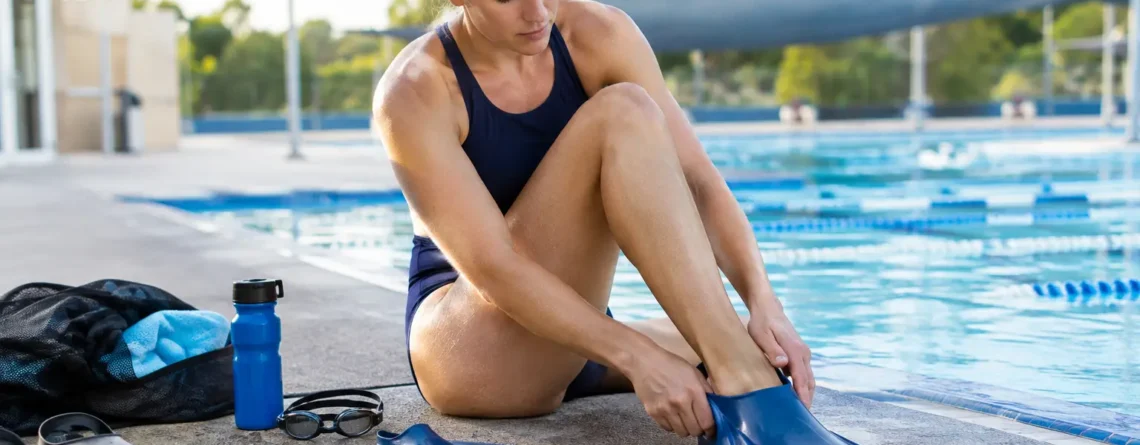
A fin that is slightly too big can turn every kick set into a distracting fight to keep it on. A fin that is too small will let you know even faster, usually through cramped toes, rubbing and the sort of foot pain that makes the walk from the pool to the car interesting. So, what size swimming fins should I buy? Start with your everyday shoe size, then use the specific fin’s size chart and fit notes as the final word.
Swimming fins are not meant to fit like runners. They need to stay securely connected to your foot while you point, flex and kick through the water, but they should not feel like a clamp. The right size gives you a snug, even fit around the foot pocket, with enough room for your toes to sit naturally.
What size swimming fins should I buy?
For most adult training fins, choose the size range that includes your normal Australian shoe size. If you sit at the top or bottom of a range, do not automatically assume the answer is to size up. The shape of your foot, the type of fin and whether you wear socks matter just as much.
A good first fitting check is simple: put the fin on with dry feet, stand up, then point and flex your ankle as you would in the pool. Your heel should stay seated in the pocket. Your toes should not be curled, pressed hard against the end, or sticking out of an open-toe design in a way that feels uncomfortable.
There should be no sharp pressure across the top of your foot or around the sides of your little toe. A firm hug is normal. Numbness, tingling or a foot pocket that feels like it is trying to win an argument with your bones is not.
Use the fin chart, not just the number on your shoes
Shoe sizing is useful, but it is not perfectly consistent between brands, let alone between a pair of casual sneakers and a pair of silicone fins. Always check the chart supplied for the fins you are considering. Some are listed in combined ranges, such as AU 7-8, while others use European sizing.
If the chart uses European sizes, compare it with a shoe conversion chart only as a starting point. Your actual foot length is more reliable. Measure from the back of your heel to the tip of your longest toe while standing, then compare that measurement with the manufacturer’s guidance where available.
If you are buying for a child, avoid the temptation to buy two sizes too large so they can “grow into them”. Loose fins slip off, affect kicking technique and create more frustration than value. A little growing room is one thing; a fin that can be launched down the lane is another.
The fin type changes how sizing feels
Not all swimming fins fit the same way. Before choosing a size, consider what you want them for.
Short-blade training fins
Short fins are a sensible choice for regular pool training, kick sets and technique work. Their compact blade lets you maintain a relatively natural kick rhythm, rather than forcing a slow, exaggerated kick. The foot pocket should feel close and secure because the fin moves quickly through the water.
With short fins, sizing down can make sense only if you are between sizes, have narrow feet and the specific chart suggests it. Do not size down simply because you want a tighter fit. Too much pressure across the top of the foot becomes very obvious halfway through a squad session.
Long-blade fins
Longer fins offer more resistance and a greater sense of propulsion per kick. They can suit swimmers working on ankle flexibility, controlled kicking or recreational snorkelling, although they are not essential for every lap swimmer.
Because the blade creates more leverage, a loose foot pocket is particularly annoying. Choose a snug fit, but leave enough room to point your toes without cramping. If you are using long fins mainly for occasional beach or holiday swimming, comfort may matter more than the ultra-close fit a regular squad swimmer wants.
Full-foot and open-heel designs
Most pool training fins are full-foot fins, meaning your whole foot slides into a soft pocket. These are generally worn barefoot and should fit snugly enough that the heel does not lift or move sideways when you kick.
Open-heel fins use a strap around the back of the heel and are more common for snorkelling or diving. They are often designed to be worn with booties. If you are buying this style for open-water use, size according to the maker’s advice with the booties you will actually wear. Trying them barefoot in the lounge room and adding thick neoprene later is a reliable way to get the sizing wrong.
When to size up, size down or stay put
If you are between sizes, use your foot shape and planned use to decide. Wider feet, high arches, sensitive toes or regular use of fin socks generally point towards the larger option. Narrow feet and a low-volume foot may suit the smaller option, provided there is no toe pressure.
Fin socks are thin neoprene or fabric socks worn under fins to reduce rubbing and make them easier to get on and off. They are handy for longer sessions, cold pools and anyone prone to blisters. They also take up space. If you know you will use them every time, fit your fins with them rather than hoping a tight pocket will stretch enough.
Silicone fins may soften and give a little with use, but do not buy painfully tight fins on the assumption that they will become comfortable. They might loosen slightly; they will not transform into a different size. Rubber-style materials can also feel stiffer at first, especially on a chilly Melbourne morning, then become more pliable once warmed up.
How swimming fins should feel in the water
The pool is the real test. A fin can feel fine while standing still, then rub badly once you start kicking. During your first session, keep the fin work short. Do a few easy lengths, then check for heel lift, rubbing at the sides of the foot, pressure on the toes and any twisting of the fin.
A correctly fitted fin stays on without you clawing your toes to hold it in place. Your foot should not slide forward every time you push off the wall. You should also be able to remove the fins without a full wrestling match on the wet pool deck.
Some mild rubbing during the first use can come from soft skin or a new movement pattern, especially if fins are new to you. Persistent rubbing in the same spot usually means the pocket shape or size is not right. Socks can help with minor friction, but they are not a fix for a fin that is plainly too small or too wide.
Common sizing mistakes worth avoiding
The most common mistake is choosing by shoe size alone and ignoring the fin chart. The next is buying a larger size because loose feels safer. In the water, loose usually means wasted effort, awkward kicking and frequent stops to retrieve a runaway fin.
Another trap is treating fins like a compulsory purchase. If you swim once a week for general fitness and enjoy it without them, you may not need a pair yet. Fins are useful for kick sets, body position drills and adding variety to training, but a comfortable pair of goggles and a consistent swimming routine are more valuable than a bag full of accessories you barely use.
For triathletes, fins can be useful during pool sessions to practise a relaxed kick and body position, but they are not race equipment and they will not replace steady swim fitness. Use them as one tool in the kit, not the whole kit.
A quick fit check before committing
Before you settle on a size, make sure the foot pocket holds your heel securely, your toes can lie flat, and there is no pinching across the widest part of your foot. If you are between sizes, choose based on width and whether you will wear socks. Then follow the retailer’s return guidance and try them carefully indoors before taking them to the pool, where possible.
The right fins should make a kick set feel purposeful, not like you have borrowed someone else’s footwear in a hurry. Choose the fit that stays put, feels comfortable and suits the sessions you actually do. Your feet have enough to deal with at 6 am without being squeezed into the wrong pair of fins.