

November 15, 2026
Lap Swimming Equipment You’ll Actually Use
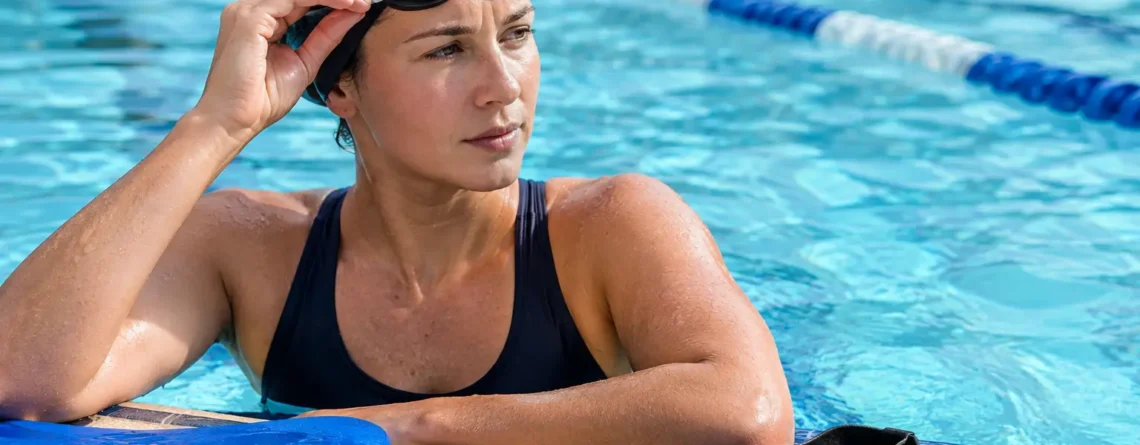
The bloke in the next lane may arrive with fins, paddles, snorkel, tempo trainer and a mesh bag that looks ready for a small expedition. You do not need to copy him. The right lap swimming equipment depends on what you do in the pool, how often you swim and whether you are building fitness, working on technique or preparing for a triathlon.
Start with the gear that solves an actual problem. A pair of goggles that do not leak and swimmers you can move in will take you further than a trolley full of accessories. Add training tools when you know what you want them to help with.
The lap swimming equipment worth buying first
For most lap swimmers, goggles are the first non-negotiable item. Pool goggles need a comfortable seal, clear vision and a fit that stays put through push-offs and turns. Price is not a guarantee of fit. A modestly priced pair that seals around your eyes without overtightening is a much better choice than an expensive pair that leaves you stopping every second lap to empty them.
Try the gentle press test before using a new pair. With the strap loose, press the eye cups against your face. If they lightly hold for a moment, the seal is likely in the right ballpark. If they drop straight off, a different shape may suit you better. The nose bridge matters too, especially if goggles pinch or sit too wide apart.
Choose clear lenses for dim indoor pools or early-morning sessions under cover. Tinted or mirrored lenses can make sense outdoors, where glare off the water is tiring. They are not essential for every swimmer, though. If most of your laps happen at the local aquatic centre, clear lenses are usually the simple answer.
A swim cap is useful even if you do not have long hair. It keeps hair out of your face, can make goggles sit more securely and is often required in squad sessions. Silicone caps generally last well and are easier to put on than latex ones. Just avoid using your fingernails when pulling one on unless you enjoy replacing it sooner than planned.
You will also want a practical way to carry damp kit home. A mesh bag is handy for poolside gear because it drains and dries more easily than a sealed backpack. For wet swimmers, towel and post-session gear, a separate wet bag or roomy change robe is particularly useful if you are heading to work, school pickup or a long drive after the pool.
Add training tools when your sessions need them
Once you are swimming regularly, training aids can give your sessions more variety and make it easier to focus on one part of your stroke. They are useful tools, not compulsory swimming homework.
Kickboard and fins for body position and kick work
A kickboard makes kick sets straightforward. Hold it out front, keep your face relaxed and focus on a small, steady kick rather than trying to churn the entire pool into a spa. It suits swimmers who want a simple way to break up longer sessions, and triathletes who have been told their kick needs attention.
Swimming fins add resistance and can help you feel a more streamlined position in the water. Short fins are generally more practical for lap swimming because they let you maintain a kick closer to a normal freestyle rhythm. Longer fins have their place, but can feel awkward in a busy public lane and are less suited to regular freestyle sets.
Fins are particularly handy for drill work, backstroke kicking and swimmers who lose momentum while learning to breathe comfortably. They should not become a permanent substitute for developing your own kick. Use them for a portion of the session, then take them off and notice what carries over.
Fit matters here. Fins should be snug without crushing your toes or rubbing your heel raw. If you are between sizes, check the sizing guidance rather than assuming a tighter fit is always better. Pool decks are not the ideal place to discover that a fin has turned your heel into a blister experiment.
Pull buoy and paddles for focused freestyle sets
A pull buoy sits between your thighs and supports your lower body while you swim with minimal kicking. It is useful for freestyle pull sets, for building familiarity with a higher body position and for taking the legs out of the equation when they are tired from cycling, running or an ambitious leg day.
It does not mean you should skip kick training altogether. A pull buoy changes how your body sits in the water, which is exactly why it is helpful in selected sets but not necessarily for every lap.
Hand paddles increase the surface area of your hands so you can pay closer attention to your catch and pull. Small or medium paddles are often the sensible place to start. Bigger is not automatically better, especially if your stroke is still inconsistent or your shoulders are not used to the extra load.
Use paddles for short, controlled repeats rather than throwing them on for a long, tired slog. If your hand enters poorly or you start slipping water, the paddle makes that mistake harder to ignore. That can be useful feedback. It can also be a sign to put them back in the bag and work on the stroke without extra resistance.
Centre-mount snorkel for technique practice
A centre-mount snorkel lets you swim without turning your head to breathe. That gives you more attention for body line, head position and the path of each arm through the water. It is a good choice for regular swimmers doing drills and for triathletes trying to tidy up a freestyle stroke.
There is a short adjustment period. You may accidentally take in a splash at first, and clearing the tube takes practice. Start with easy laps, preferably when your lane is not full of enthusiastic splashers. A snorkel is not necessary for beginners, but it can be very useful once you understand what you are trying to work on.
What you can safely skip for now
If you are new to lap swimming, buy goggles, suitable swimwear and a cap if you need one. That is enough to start. A kickboard is a sensible next item if you enjoy structured sessions, while fins or a pull buoy make sense once you are swimming often enough to use them.
You can wait on paddles and a snorkel until you have a regular routine or some clear technique goals. You can also skip duplicate versions of the same tool. Two sets of paddles and three styles of fins will not make a 30-minute pool session more productive if one well-fitting set is sitting unused in the cupboard.
For triathlon training, remember that pool gear is there to support your swim sessions, not replace open-water practice. Goggles, a cap, swimmers and perhaps a pull buoy or fins are plenty for many first-time triathletes. Save the specialised extras for when they fit your training plan and you will genuinely use them.
Make your gear last longer
Chlorine, heat and the inside of a forgotten gym bag are hard on swimming gear. Rinse goggles, caps, fins and training aids in fresh water after swimming, then let them dry out of direct sun. Avoid leaving goggles on a hot car dashboard, where lenses and straps can age quickly.
Do not wipe the inside of anti-fog lenses with a towel or your thumb. That coating is easily damaged. A gentle rinse and air dry is usually enough. If goggles keep fogging after they have been cared for properly, it may simply be time for a new pair.
A useful pool bag is not the one with the most gear. It is the one that has what you need when you arrive for an early session, and does not leave the boot smelling like a forgotten wetsuit afterwards. Start simple, add tools with a purpose, and let your actual swimming decide what earns a permanent place in the bag.