

November 19, 2026
Swim Accessories You’ll Actually Use at Training
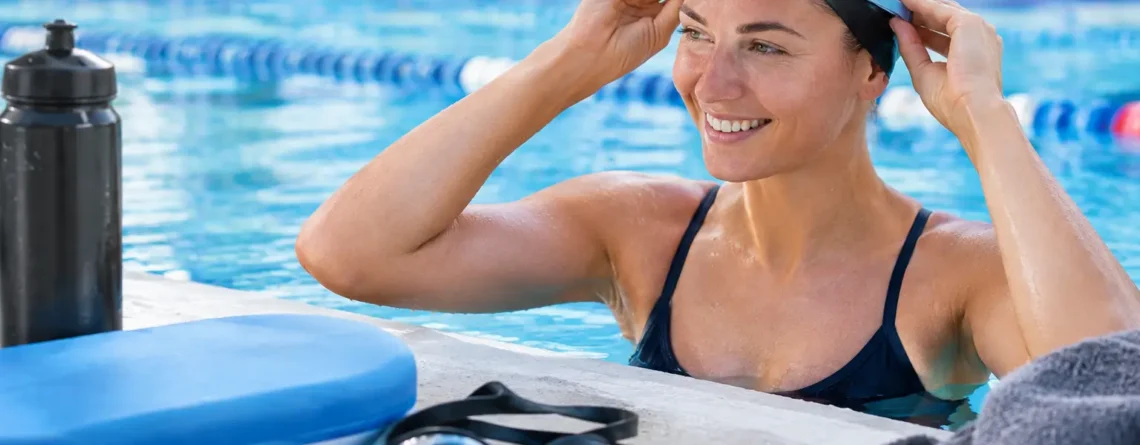
A decent pair of goggles and swimmers will get you into the pool, but the right swim accessories can make regular training less frustrating and more purposeful. The trick is not turning up to squad looking like you’ve packed for a Channel crossing. Start with the gear that suits the sessions you actually do, then add pieces when they solve a real problem.
For a few easy laps once a week, you can keep things very simple. If you swim several times a week, follow a program, or are preparing for a triathlon, a handful of training tools can help you work on specific parts of your stroke. They are not magic. Fins will not fix a dropped elbow while you are thinking about work emails. But used well, they give you useful feedback and make certain drills much easier to perform.
Which swim accessories should you buy first?
Before buying a bag full of gear, consider where and how you swim. A regular pool swimmer needs different things from someone doing winter open-water sessions or practising triathlon transitions at the local beach. Your first purchases should usually be the boring, genuinely useful items: goggles that seal properly, a cap if your pool requires one or you have long hair, and something practical for carrying wet gear home.
A mesh bag is a simple addition that earns its place quickly. It keeps training gear together, lets it drain after the pool and stops wet fins, paddles and a pull buoy from rolling around your car boot. A separate wet bag is handy if you head straight to work, chuck your gear in a gym bag, or would prefer your towel not to smell like a neglected change room by Thursday.
If your goggles leak, fog constantly or leave you with a headache, replace them before buying more specialised equipment. Fit matters more than a flashy lens colour or a famous logo. Try the goggles against your eye sockets without using the strap. If they hold briefly with light suction, they are more likely to seal well in the water. They should feel secure, not like they are trying to rearrange your face.
Training tools that have a clear job
The most useful pool accessories each have a fairly specific purpose. You do not need all of them on day one, but knowing what they do makes it easier to choose without wasting money.
Swim fins for body position and kicking
Short training fins are useful for kick sets, drills and building confidence with a faster stroke rhythm. The extra propulsion lets you focus on body position and timing rather than simply trying to stay afloat while kicking. They can be particularly helpful for newer swimmers who find kick sets slow and exhausting.
Choose a snug fit without painful pressure across the toes or heel. Fins that are too loose rub and slip. Fins that are too tight can turn a 50-metre kick set into a very personal argument with your feet. If you only swim easy laps and never do structured sessions, you can probably skip them. If your coach regularly writes fins on the whiteboard, they are worth having.
A pull buoy for focused upper-body work
A pull buoy sits between your thighs and lifts your legs so you can concentrate on the catch, pull and body line without kicking. It is a straightforward tool for swimmers who sink through the hips, lose alignment when breathing, or want a change from full-stroke swimming during longer sets.
It is also easy to misuse. Do not rely on a pull buoy for every session and assume your kick no longer matters. Think of it as one training option, not a floating exemption from working on your body position. For regular lap swimmers, it is one of the better-value pieces of kit because it is durable, uncomplicated and commonly used in squad programs.
Hand paddles for feel, not brute force
Paddles increase the surface area of your hands, making it easier to notice whether you are catching and holding water effectively. Smaller paddles are usually a sensible starting point, especially if you are new to them. Larger paddles create more load, but more is not automatically better when your stroke is still finding its way.
Use paddles for controlled drill work or short, well-managed sets. If your shoulders feel sore or your stroke falls apart as soon as you put them on, take them off and reduce the load next time. Paddles are useful, but they are not compulsory for fitness swimming and they are not the place to spend big simply because the packaging looks serious.
A centre-mount snorkel for technique sessions
A front snorkel lets you keep your head still while working on alignment, rotation and the front of your stroke. Without having to turn to breathe, you can pay closer attention to what the rest of your body is doing. Many swimmers find this helpful for drills and warm-ups, although it takes a few sessions to stop feeling like you are trying to breathe through a garden hose.
A snorkel is worth considering if you follow technique-based sessions or have a coach who includes snorkel work. It is less useful if you only jump in for continuous laps and want the least possible gear. Start with a straightforward centre-mount model rather than assuming extra attachments will make it easier.
Open-water and triathlon gear: comfort is the point
Pool equipment is one thing. Open-water swimming adds cold mornings, sand, wind, changing in car parks and the practical question of where to put everything while you are in the water.
A bright swim cap can make you easier to spot, especially in dull conditions. Goggles with an appropriate lens tint matter too. Clear lenses suit low light or indoor pools, while tinted or mirrored lenses can be more comfortable when the sun is high off the water. There is no single best option for every session, so plenty of regular open-water swimmers keep more than one pair in their bag.
A change robe is not essential, but it is one of those items that makes immediate sense after your first cold, windy change beside the car. It gives you privacy and warmth while you get out of wet gear, and it is handy after pool sessions as well. If you always swim at a facility with warm change rooms, you may not need one. If you train at the beach through a Melbourne winter, you will understand the appeal very quickly.
For triathletes, practise with the equipment you plan to use on race day, but keep your priorities in order. Reliable goggles, a cap where required, a towel and a tidy way to organise transition gear matter more for a first event than a collection of accessories you have never used. Do a few sessions in your race goggles before the event. New goggles on race morning are a gamble nobody needs.
What you can safely skip
There is a fair bit of swim gear that looks useful from the pool deck but may not suit your training. Nose clips can help some swimmers with specific comfort issues, but most freestyle swimmers do not need them. Ear plugs are personal preference, particularly for open water, rather than a universal essential. Kickboards are common, though many pools and squads provide them, so check before buying your own.
You can also hold off on paddles, snorkels and multiple sets of fins until you know how often they will be used. If your program has one short fin set every fortnight, borrowed gear or a basic pair may be enough. Spend according to your routine, not the hopeful version of you who plans to swim six mornings a week from next Monday.
Make your gear last longer
Rinse goggles, fins, paddles and snorkels in fresh water after use, especially after the ocean. Let them dry out of direct sun rather than leaving them on the dashboard, where heat can shorten the life of straps and softer materials. Keep goggles in a case or protected pocket so the lenses do not get scratched by keys, zips or whatever else lives at the bottom of your swim bag.
It is also worth checking straps, buckles and fin pockets occasionally. Replacing a worn strap before an early-morning session is cheaper and less annoying than discovering it has snapped while you are standing on the pool deck in your cap.
Good swim accessories should make training easier to organise and more useful once you are in the water. Pick one item that matches your current sessions, use it properly, and add more only when your training gives you a reason. That leaves more money for pool entry, race fees and the post-swim coffee you have absolutely earned.