

October 20, 2026
How to Use Swim Fins in Triathlon Training
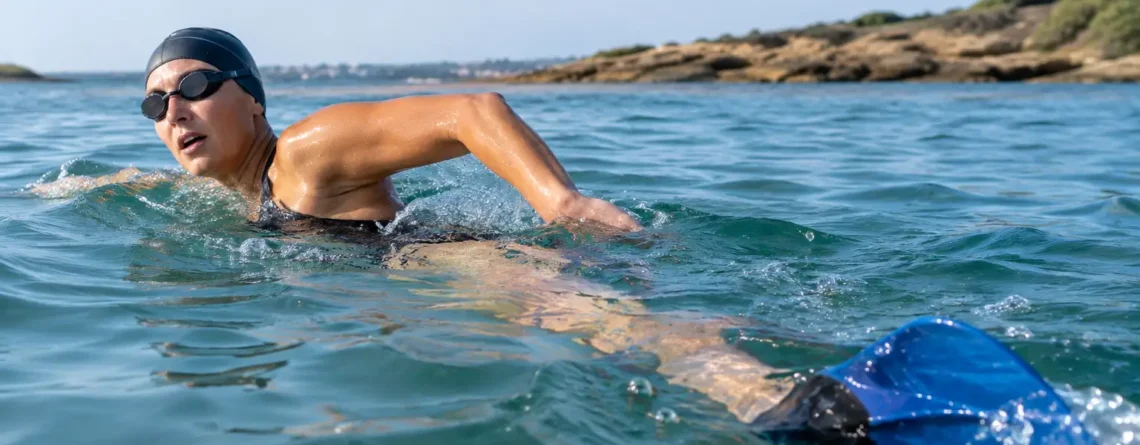
Your legs are sinking halfway through an early-morning squad set, your stroke starts feeling like hard work, and someone in the next lane glides past wearing fins. It is tempting to think they have found a shortcut. Learning how to use swim fins in triathlon training is less glamorous than that, but they can be a genuinely useful tool for building feel for the water, improving body position and making specific technique work more productive.
The catch is that fins are training equipment, not a permanent attachment to your feet. Use them with a purpose, take them off regularly, and they can help. Wear them for every lap because swimming without them feels grim, and they can hide the very things you need to work on.
What swim fins can do for triathletes
Triathletes do not need a huge kick to swim well. In fact, a big, frantic kick can burn through energy you would rather keep for the bike and run. But you do need your legs to sit reasonably high, your kick to be coordinated with your stroke, and your ankles to move freely enough to avoid kicking like you are trying to stomp mud off your shoes.
Fins give you more propulsion for each kick. That extra lift can make it easier to feel a horizontal body position, particularly if you are newer to freestyle or tend to drag your legs. They also let you hold a little more speed during drills, which can make the drill feel closer to an actual swimming stroke rather than a very slow puzzle.
They are especially handy when you are working on body rotation, a relaxed recovery or catch timing. With the extra speed from fins, you have a clearer sense of water moving past you. That can make a good stroke pattern easier to recognise.
There is a practical fitness benefit too. Short fin efforts add variety to a pool session and put some load through the legs without turning the set into a cycling workout. Think of them as a supplement to normal swimming, not a replacement for it.
Choose fins that suit the job
For most triathlon pool training, short-blade swim fins are the sensible choice. They are compact, easier to use in a shared lane and generally encourage a quicker, smaller kick that is closer to freestyle swimming. They also fit neatly in an already overstuffed swim bag, alongside the goggles, pull buoy and towel that somehow stays damp all week.
Long-blade fins create more resistance and propulsion. They can suit dedicated kicking and certain technique work, but they are usually less specific to a triathlon freestyle stroke. If you are buying one pair mainly for triathlon sessions, start with short fins.
Fit matters more than the logo on the side. The foot pocket should feel secure without pinching your toes or crushing the top of your foot. A loose fin rubs, twists and may end up somewhere behind you at the wall, which is not the sort of attention most swimmers are chasing. If you are between sizes, check the manufacturer sizing guide and consider whether you will wear them barefoot, as most swimmers do.
Soft, flexible fins are generally more forgiving for regular use. Very stiff fins can be useful for strong kick sets, but they may feel punishing if your ankles are not used to them. You do not need the most expensive pair to get useful training done. A comfortable, well-fitting pair that you will actually bring to the pool beats fancy gear gathering dust in the boot.
How to use swim fins in triathlon training without becoming dependent
Start small. Add fins to one part of one or two swim sessions each week, rather than building an entire session around them. Around 10 to 20 minutes of fin work is plenty for most recreational triathletes.
Use them when there is a clear reason. For example, put them on for a drill set where you are practising long body line and gentle rotation. Or use them for short kicking repeats after your warm-up. Then take them off and swim normally, carrying that same relaxed position into your freestyle.
A simple rule works well: every fin drill should be followed by some no-fin swimming. That immediate comparison tells you whether the sensation is transferring. You may not hold exactly the same body position without fins, and that is normal. The goal is to keep a little of the better balance and rhythm, not to recreate the fin-assisted version perfectly.
Keep the kick compact. Kick from the hips, allow a soft bend at the knee, and let the ankles stay loose. Big bicycle kicks waste effort and can make the fins slap the water. You should feel steady propulsion, not like you are trying to start an outboard motor.
Useful fin sets for a triathlon swim session
Body position and balance
After an easy warm-up, try 6 x 50 metres with fins: 25 metres side kick, then 25 metres freestyle. Rest for 15 to 20 seconds between repeats. On the side kick, keep one arm extended, one arm by your side and look down rather than up. Change sides each repeat.
The freestyle length is where the drill earns its place. Keep the head still, press the chest gently into the water and let the legs trail high behind you. Remove the fins afterwards and swim 4 x 50 metres easy to moderate, concentrating on the same long shape.
Kick rhythm for freestyle
Try 8 x 25 metres with fins, alternating between an easy six-beat kick and a quieter two-beat kick. A six-beat kick means roughly six kicks per full stroke cycle, while a two-beat kick uses one kick per arm stroke. Neither is automatically right for everyone, but practising both helps you notice what keeps you balanced without chewing through too much energy.
For many age-group triathletes, a light two-beat or four-beat kick feels more sustainable over longer distances. The pool is the place to test that calmly, rather than trying to invent a new kick halfway through an open-water race.
Faster turnover with control
Fins can make short, faster repeats more manageable when you are learning to increase stroke rate without losing form. Swim 12 x 25 metres with fins at a strong but controlled effort, taking 15 seconds rest. Keep the strokes tidy and the kick small. If your breathing becomes frantic or your feet start thrashing, ease off.
Finish with 4 x 50 metres without fins at a steady effort. Aim for the same quick, relaxed arm turnover. You will probably be slower, which is fine. The point is to practise the rhythm, not chase the fin-assisted time on the clock.
When fins are useful, and when to leave them in the bag
Fins are helpful when you are learning freestyle, returning to the pool after a break, working through drills, or simply adding a focused kick set to a varied program. They can also make a solo swim more interesting when the black line is starting to feel like a long-term relationship.
Skip them if the pool is crowded and your kick is likely to catch another swimmer, or if you have any foot, ankle or calf pain that gets worse while wearing them. It is also worth leaving them out before race day if they are not part of your usual routine. A relaxed, familiar swim session is more useful than turning up with sore calves from an enthusiastic fin set on Thursday.
Fins are mainly a pool tool for triathletes. They do not belong in an open-water race, and most people will not need them for open-water training either. Open-water sessions are better spent practising sighting, starting near other swimmers, swimming straight and becoming comfortable in your wetsuit if your event requires one.
Common fin mistakes
The most common error is wearing fins for every main set. They make swimming feel easier and faster, so it is understandable. But if you never practise without them, your regular stroke does not get enough attention. Keep at least half, and usually much more, of your weekly swimming fin-free.
Another is treating fins as a cure for poor body position. They can show you what better balance feels like, but the underlying work still involves head position, breathing control, core tension and a calmer kick. If your legs drop the moment the fins come off, slow down and revisit those basics.
Finally, do not force a hard kick because the fins are on. More effort is not always more useful. For triathlon, a controlled kick that supports your stroke is usually worth more than a furious splash that leaves your calves cooked before the bike leg has even begun.
A pair of short fins is a worthwhile addition once you are swimming regularly and want a simple tool for technique and kick work. If you are preparing for your first triathlon and have not yet sorted comfortable goggles or a consistent pool routine, start there first. When you are ready, choose fins that fit well, use them for a reason, and let the ordinary no-fin laps tell you whether the work is paying off.